Beyond the 90 Minutes: The Business Being Built Around African Football
Across Ghana, Côte d’Ivoire and Morocco, football is becoming a platform for music, media, membership and creative businesses. The commercial question is who owns what happens after the final whistle.

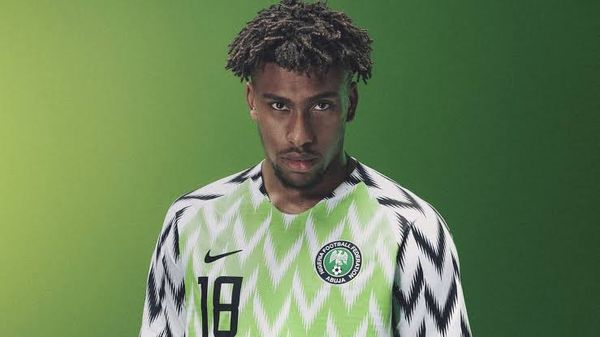
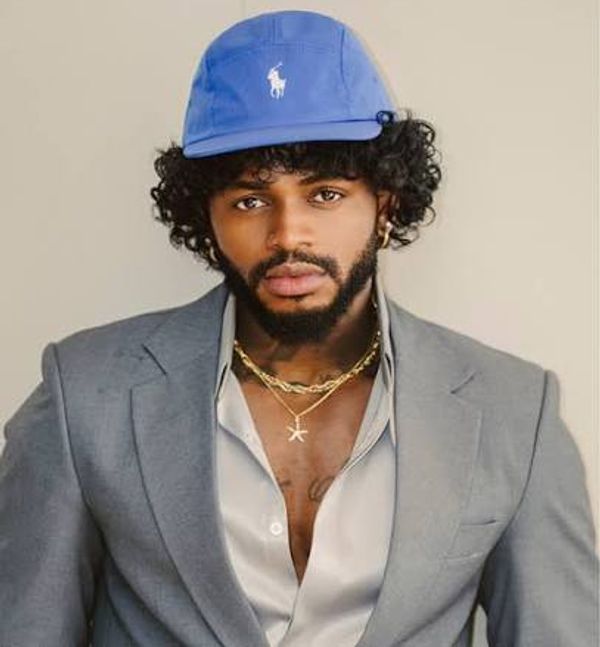
In Nungua, a neighbourhood of Accra, a football tournament became the setting for a music video. King Promise, the Ghanaian singer and Chelsea supporter, brought fans together through his Rent Paid tournament; Chelsea brought its new home kit into the same space. The resulting film for “Can’t Tame Us (Chelsea Anthem)” moved between the tournament and the park where the artist grew up playing football. Directed by Derrick Arthur, it gave a Premier League club a story rooted in an actual Ghanaian community.
Chelsea says the song will feature at fixtures during the 2026–27 season. Its brand director, Scott Fenton, has described the collaboration as part of the club’s effort to celebrate African supporters and the culture around them. This is a revealing starting point for understanding football’s expanding creative economy. The match remains the central attraction, but it is no longer the only product worth building.
Football clubs and media entrepreneurs are creating new reasons for audiences to meet, watch, listen, purchase and participate between fixtures. Three recent examples — Chelsea and King Promise in Ghana, Magic System FC in Côte d’Ivoire and 532 in Morocco — show different routes into that opportunity. They also reveal why cultural reach should never be mistaken for a functioning revenue model.
A club can become a cultural collaborator
Chelsea’s Ghana project works because the artist was more than an interchangeable face in a shirt. King Promise already supported the club. The Rent Paid tournament already belonged to his wider community activity. Nungua SDA Park was not simply a cinematic backdrop; it carried his own football history. The song, local tournament, kit reveal, music video and documentary therefore worked as connected pieces of a single activation.
For Chelsea, the value is clear at the level of brand and distribution. Instead of addressing African supporters as a distant audience, the club entered a cultural setting they could recognise. King Promise brought his audience, his music and his relationships; Chelsea contributed a global sporting identity and its merchandise. Supporter clubs appeared in the film, giving the collaboration people and places to circulate through.
What remains less visible is the commercial architecture. Public materials do not establish how the collaboration’s costs, music rights, sponsorship fees or merchandise revenues are shared. The existence of a song does not prove substantial streaming revenue; a kit launch does not establish incremental sales. Those distinctions matter. A strong brand collaboration can generate attention and deepen affinity without becoming a business jointly owned by both parties.
Even so, it points towards a larger change. Football partnerships can now commission original cultural work, rather than simply place logos on content produced elsewhere. That creates work for directors, producers, musicians, photographers, event organisers and community managers. The club’s economic footprint extends into creative industries beyond the stadium.
Owning a club is a different proposition
In Abidjan, Salif Traoré — known as A’Salfo, the lead singer of Magic System — has taken a more direct route. In August 2026, he acquired Racing Club de Koumassi, a third-division Ivorian football club. On 1 October, the team’s new identity, Magic System FC, was announced. Reporting at the time described plans to connect the club with a football academy and develop young players.
Here the artist is entering the business of running a sporting institution. The decision gives Magic System’s name a new context, but the underlying work is operational: training, coaching, facilities, recruitment, competition costs and long-term financial support. Changing the crest is relatively quick. Building a club that develops talent and earns sustainable revenue is much harder.
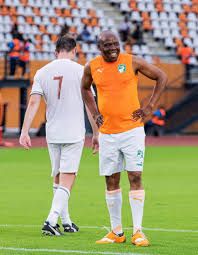
There are several possibilities. A club can build local membership, sell apparel, attract sponsors, produce digital content, host events or develop players. Magic System’s established cultural recognition may help open doors to partners and supporters. But each revenue stream needs an organisation capable of delivering it. There is no public evidence yet that Magic System FC has built a profitable merchandising, academy or media operation.
That makes the example especially useful. Celebrity is an asset, not a substitute for infrastructure. If the club can translate recognition into training opportunities, supporter loyalty and repeatable commercial activity, it may produce value beyond a music-to-sport publicity story. If not, the operational costs will outlast the initial attention.
Football media can become an asset in its own right
Morocco offers a third model. In September 2026, youth-media company Welovebuzz acquired an undisclosed stake in 532, a football-focused digital publisher launched in 2021 by Adam Guennouni and three co-founders. The founders remain shareholders, and Guennouni continues as chief executive.
According to the companies’ announcement, 532 has more than two million followers and claims over 200 million monthly views. Those are company-reported audience figures, not independently audited revenues. Nevertheless, the strategic logic is visible: a publisher with an established Gen Z audience is investing in a distinct football-media property instead of creating every sports format from scratch.
532 can develop match coverage, commentary, creator formats, partnerships and branded editorial products for a highly engaged audience. Welovebuzz brings potential access to production resources, advertiser relationships and experience building digital media. The companies also operate in a market preparing to co-host the 2030 FIFA World Cup, although that prospect alone does not guarantee commercial returns.
A critical distinction sits inside the transaction. Owning a stake in a publisher is different from owning football broadcasting rights. 532 can own its brand, original formats and audience relationships while remaining dependent on platform algorithms and the rights available for match footage. Its ability to turn reach into revenue will depend on advertising demand, production costs, contracts and distribution choices. The price and exact equity stake were not disclosed, limiting what outside observers can conclude about the investment’s value.
The real asset may be the relationship between matches
These three cases occupy different parts of football’s value chain. Chelsea is cultivating an existing global supporter base through culture. Magic System FC is attempting to turn cultural recognition into a local sporting institution. Welovebuzz and 532 are building a business around the attention football generates every day.
Their common ground is the time when no match is being played. Fans still listen to music, debate results, follow creators, buy clothing, meet friends and share footage. Those activities create demand for new formats and services. What matters commercially is whether a business can maintain a direct, useful relationship with that audience — and whether it controls enough of the product to earn from it repeatedly.
It helps to separate four layers: the sporting rights that permit particular uses of matches and marks; the content and formats developed around the sport; the channels through which audiences encounter them; and the products or services those audiences might buy. Different organisations own different layers. Attention can travel freely across them while revenue does not.
That is why this story is larger than the African football jersey. Apparel is one monetisation route, but the broader opportunity involves editorial intellectual property, local events, creative production, fan services and community-led commerce. Success requires more than a large audience. It requires permission, distribution, operational discipline and a reason for people to return.
Football already commands extraordinary loyalty across African markets. The next generation of businesses will be defined by what they build with that loyalty on an ordinary Tuesday — long after the ninety minutes are over.

Sources :
APAnews — RCI Foot : le RCK change de nom et devient Magic System FC
Welovebuzz — 532: Morocco’s Rising Football Powerhouse Secures Major Backing
Médias24 — Welovebuzz entre au capital du média 532 spécialisé dans le football