Iyinoluwa Aboyeji: building the foundations for others to grow
A software developer needs access to work. A business needs a reliable way to collect payments. A founder needs capital, advice and people willing to open doors.

Across Iyinoluwa Aboyeji’s career, these practical barriers have become starting points for building companies.
The Nigerian entrepreneur is best known as a co-founder of Andela and Flutterwave. Through Future Africa and his involvement in talent development, he has extended that work into supporting other entrepreneurs. His journey offers a useful perspective on how individual business successes can feed into the conditions that help more people build.
Connecting talent and businesses to opportunity
Andela and Flutterwave addressed different constraints on participation in the digital economy. Andela helped connect African software engineering talent with international work. Flutterwave developed payments infrastructure that made it easier for businesses to transact.
Aboyeji helped build both companies and raise funding from international investors. Those experiences placed him at the intersection of technical talent, business development and capital: three elements that need to work together for a technology company to grow.
The connection between the ventures is significant. Each created a service that other businesses could use to expand their own capabilities. Recruiting engineers and accepting payments are everyday operational needs, but difficulties with either can limit what an entrepreneur is able to attempt.
That gives Aboyeji’s career a consistent thread: identifying a constraint, building a business around addressing it and opening opportunities for others in the process.
Turning experience into support for founders
Future Africa extended that approach into investment. The organisation describes its offer around capital, coaching and community, combining financial backing with support for founders developing their businesses. Its network brings together people across business, government, venture capital and academia.
For an entrepreneur, these resources serve different purposes. Funding can pay for product development and recruitment. Advice can help clarify a business model. An introduction can lead to a customer, a partner or the next investor. The value depends on how well that support matches the company’s needs.
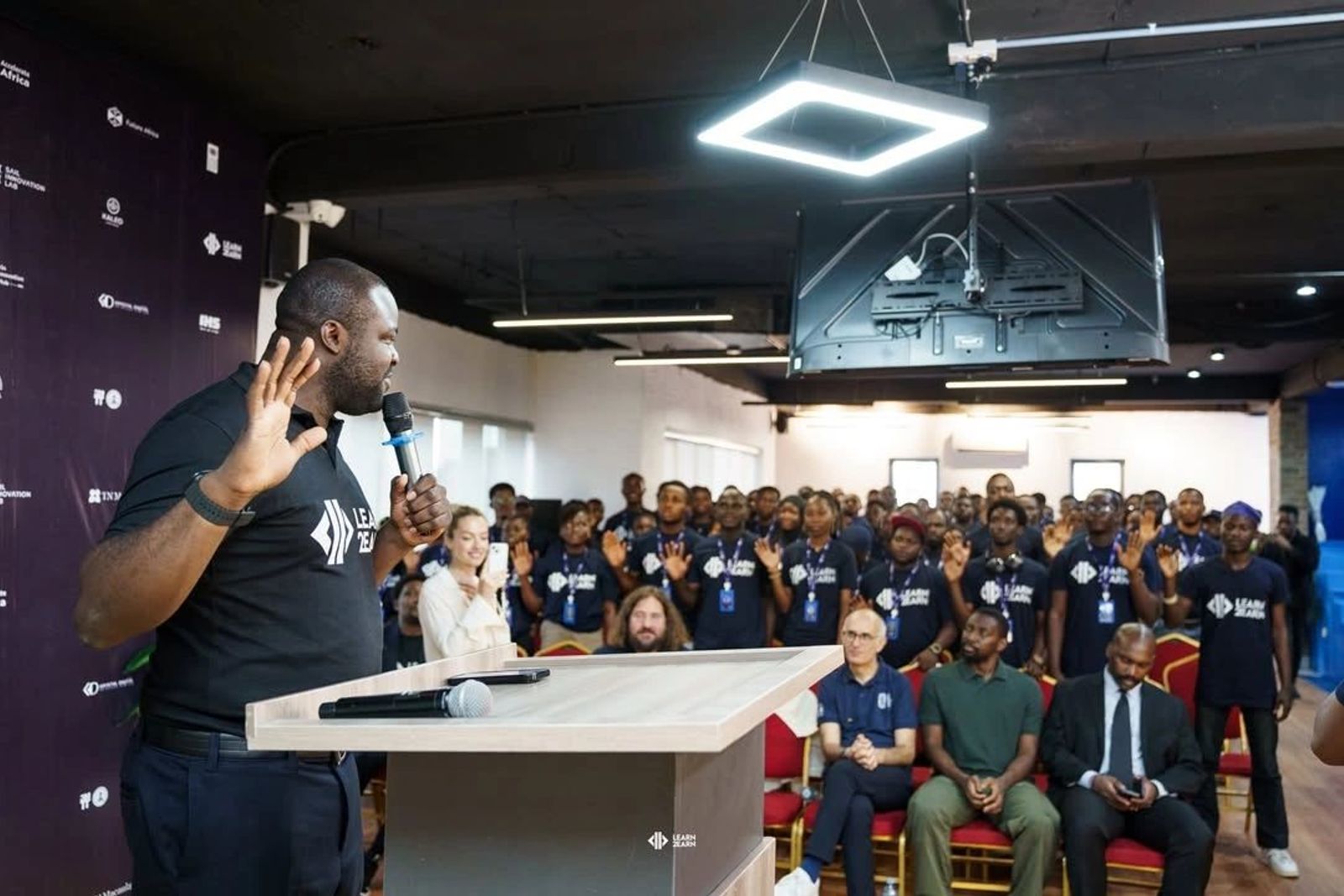
Talent development remains another part of Aboyeji’s work. He co-founded Learn2Earn with Kesiah Valkin and a team experienced in training and supporting engineers. The initiative returns to a question closely associated with his Andela years: how to help more people develop the capabilities to participate in technology careers.
Why the foundations matter for creativity
For Brief54, the relevance lies in what these foundations make possible. A game studio needs developers. A media business needs payment systems to sell subscriptions. A creative entrepreneur may need investment and commercial guidance to turn an idea into a sustainable operation.
Aboyeji’s work sits within that wider environment. Technical skills, financial infrastructure and founder support can expand the range of creative businesses people are able to build.
The longer-term test is whether these opportunities produce durable companies, meaningful careers and expertise that circulates beyond the first beneficiaries. His journey makes that question worth following. Having helped build prominent technology businesses, Aboyeji is applying that experience to the people and systems from which the next generation of ventures could emerge.
Sources :
Milken-Motsepe Innovation Prize Program, “Iyinoluwa ‘E’ Aboyeji”