Dean Gichukie: building an African game world from Nairobi
When Kunta Content released a trailer for HIRU, some viewers questioned whether its visuals could really have come from a Kenyan studio.

According to the company, the reaction included speculation about AI. Behind the footage, however, was a team working through the lengthy process of building a game around African stories.
For founder Dean Gichukie, that work began long before the trailer attracted attention. His journey brings together storytelling, production and the challenge of turning an ambitious creative idea into a business capable of delivering it.
A story years in the making
The origins of HIRU go back to 2013, when Gichukie wrote a collection of stories during a holiday period. One contained the idea that would eventually become the game. Active development began in 2020, giving a team of developers and creatives the task of translating that narrative into an interactive world.
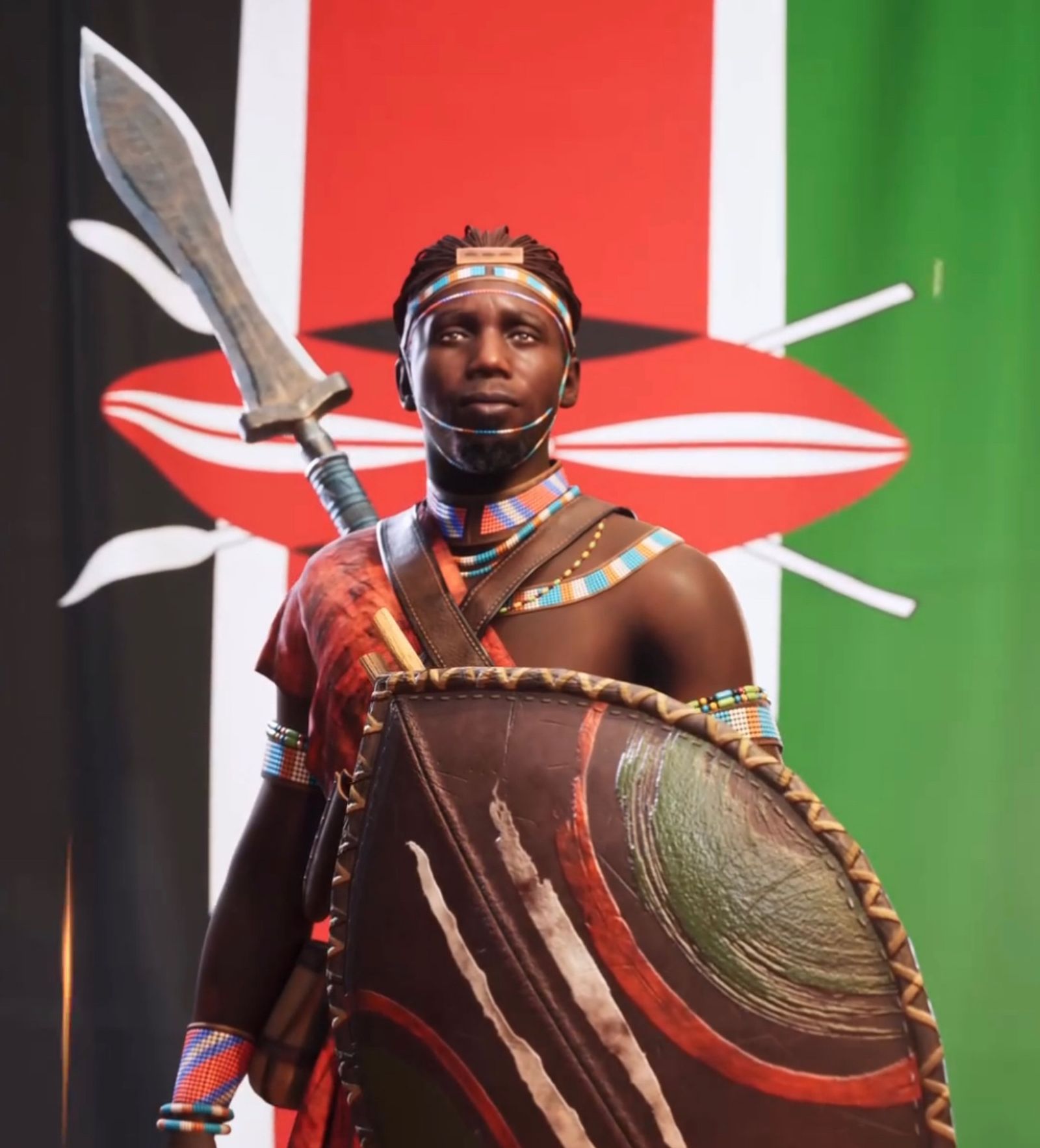
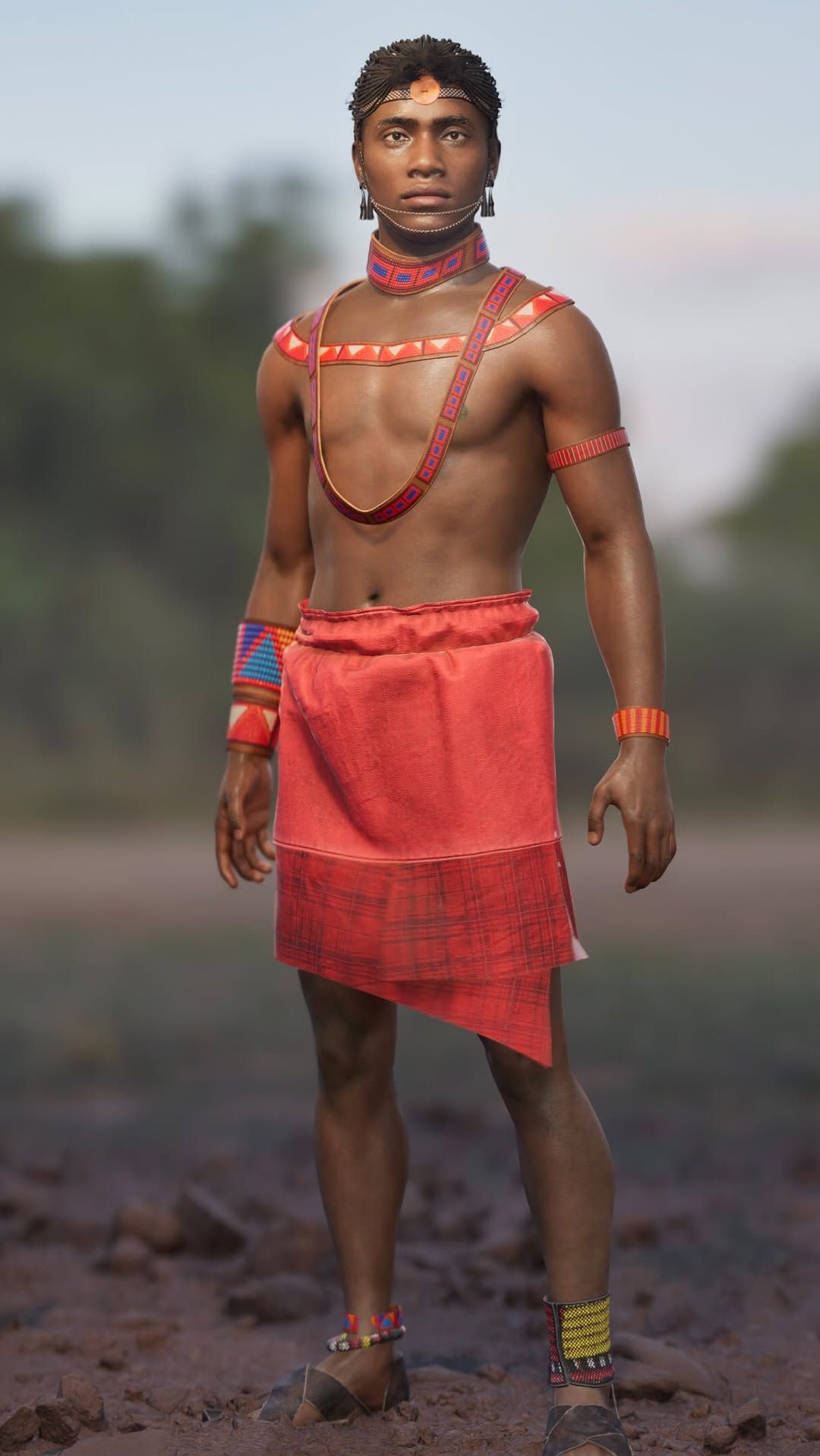
The game follows a young Maasai prince whose sister is kidnapped by poachers. His journey to rescue her and protect his ancestral land provides the foundation for an adventure rooted in East African landscapes and cultural references. Designed for consoles and PC, the project brings those influences into a format intended to reach players internationally.
That transition from story to game is central to the studio’s work. Characters need movement, environments need to function as spaces players can explore, and a narrative needs mechanics that make people want to continue.
Building the studio alongside the game
Gichukie’s experience across film and other creative projects helped shape his understanding of the commercial side of storytelling. Bringing a project to market requires patience, partners and a clear understanding of the value each participant receives.
Kunta Content gradually secured support around HIRU. Following its participation in the Africa Game Dev programme, the studio entered the SpielFabrique accelerator and received Ubisoft funding to improve its prototype. These were practical steps towards developing the project’s production capacity.
The team has also made its development process part of its audience-building strategy. Through public demonstrations, playtests and updates, it gives people opportunities to engage with the game before release. The studio says player feedback helps shape mechanics, pacing and how its world feels to navigate.
For an independent developer, that creates a useful connection between production and marketing: each encounter can reveal something about the game while helping build a community around it.
Turning cultural detail into creative value
Kunta Content says it researches, designs and builds HIRU’s assets in-house, from characters and weapons to environments. That investment gives the project its particular identity and develops skills and creative material within the studio.
The wider significance lies in what such a process can establish. An African studio developing its own characters, stories and worlds is building intellectual property around which a creative business can grow.
The next challenge is translating the interest around HIRU into a finished experience that players want to buy and recommend. Gichukie and his team have already made their ambition visible. What makes them worth following is the sustained work behind it: assembling the people, partnerships and production capabilities needed to bring that world to life.
Sources :
Kenyans.co.ke, “Maasai Action Video Game Goes Viral, Elicits Debate”. Kenyans.co.ke
Games Industry Africa, “Kunta Content shines light on HIRU”. Games Industry Africa
Ubisoft, annonce des lauréats de l’African Games Co-Production Market, LinkedIn. Ubisoft
Kunta Content, publication sur la création des environnements de HIRU, LinkedIn. 18 comments