Prince Gyasi: building a career around a visual signature
A recognisable artistic language can become the foundation of an international career. For Ghanaian visual artist Prince Gyasi, saturated colour, carefully constructed compositions and stories rooted in Accra have opened doors across art, fashion and advertising.
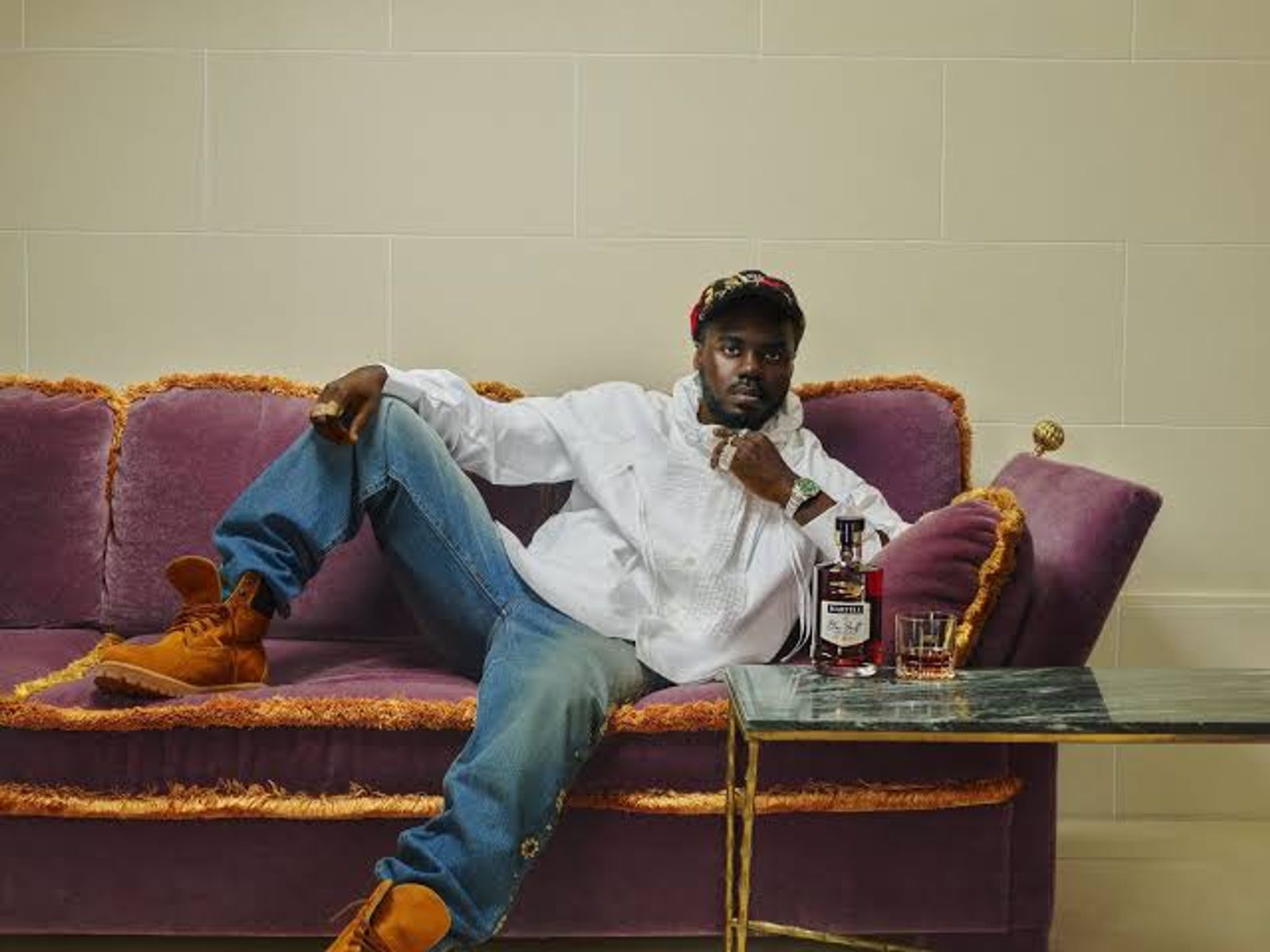
His appointment as Martell’s Creative Partner extends this trajectory. The collaboration begins with a film, but its wider scope raises a more interesting question: how does an artist turn a distinctive way of seeing into a practice that can travel across industries while retaining its authorship?
Developing a language of his own
Gyasi began taking photographs on a smartphone as a teenager. Accra supplied both his subjects and the environment in which his visual approach developed. Bold contrasts and heightened colours became central to images that challenge familiar representations of Africa and conventional ideas of beauty.
His practice extends beyond individual commissions. His own website presents photographic series including Control, Patience / Purpose and Care / Love, and identifies Nil Gallery as his representative. This provides an important distinction: the artist has a body of work that exists alongside his commercial collaborations.
International projects have given that language different applications. Apple’s A Great Day in Accra spotlighted Ghana’s hiplife scene, while collaborations with Balmain brought his imagery into fashion, including photographs translated onto garments for its Fall 2024 menswear collection. The medium changes, but the visual identity remains recognisable.
Scaling the vision through collaboration
The 2024 Pirelli Calendar was a significant commission. Gyasi approached its images through detailed preparation: developing concepts, sketching compositions and working towards constructed sets before photographing his subjects in London and Ghana. The process resembles the planning of a painting, with each person placed within a deliberately composed scene.
It also reveals the collaborative machinery behind an individual signature. Published credits name Gyasi as photographer and set designer, Studio Dream as the agency, Ebony Atakorah and Tony Tagoe as executive producers, and Ola Ebiti as stylist. Set-build design is credited to Atakorah and Studio Dream.
Those credits document a production network capable of delivering ambitious commissions. They show how an artist’s direction can organise the work of specialist collaborators, without establishing that everyone involved belongs to a permanent in-house studio.
From commissions to an ongoing creative role
Martell introduces a broader relationship. Its opening film was conceived by Gyasi, with TJ Sawyer credited as director; Martell also explicitly credits Gyasi as co-director. Ghanaian producer GuiltyBeatz contributed sound design. Shot at Château de Chanteloup in Cognac, the project brings Gyasi’s colour and cultural references into the brand’s historic setting.
The announced partnership extends into design and cultural experiences. That gives his creative contribution scope to develop across several projects, although the financial terms and ownership arrangements have not been established in the sources reviewed.
The career model taking shape combines an independent artistic practice, major commissions and continuing brand relationships. For African creatives, its significance lies in the role a distinctive body of work can play in securing creative responsibility. Gyasi’s next chapter will show how far that responsibility extends as the Martell partnership develops.
Sources :
Martell, “Martell Appoints Prince Gyasi as Creative Partner” martell.com
The NATIVE, “Prince Gyasi Is Joining Martell As A Creative Partner” The NATIVE
Pirelli, « L’artiste derrière le Calendrier : Prince Gyasi » pirelli.com
Creative Review, “Pirelli 2024 Calendar” Creative Review
Vogue, “Balmain Fall 2024 Menswear Collection” Vogue
Beatz Nation, “GuiltyBeatz Brings Sound to Martell’s Creative Collaboration with Prince Gyasi”