Who Owns the Story? Africa’s New Battle for Narrative Infrastructure
African companies and institutions are increasingly investing not only in advertising, but in the media brands, editorial environments, events and distribution systems through which the continent’s business story is told.

A company can buy an advert. It can sponsor an event. It can commission branded content. Or it can go further and invest in the infrastructure through which an industry, a market or a continent is interpreted.
That distinction is becoming increasingly important in African business communications.
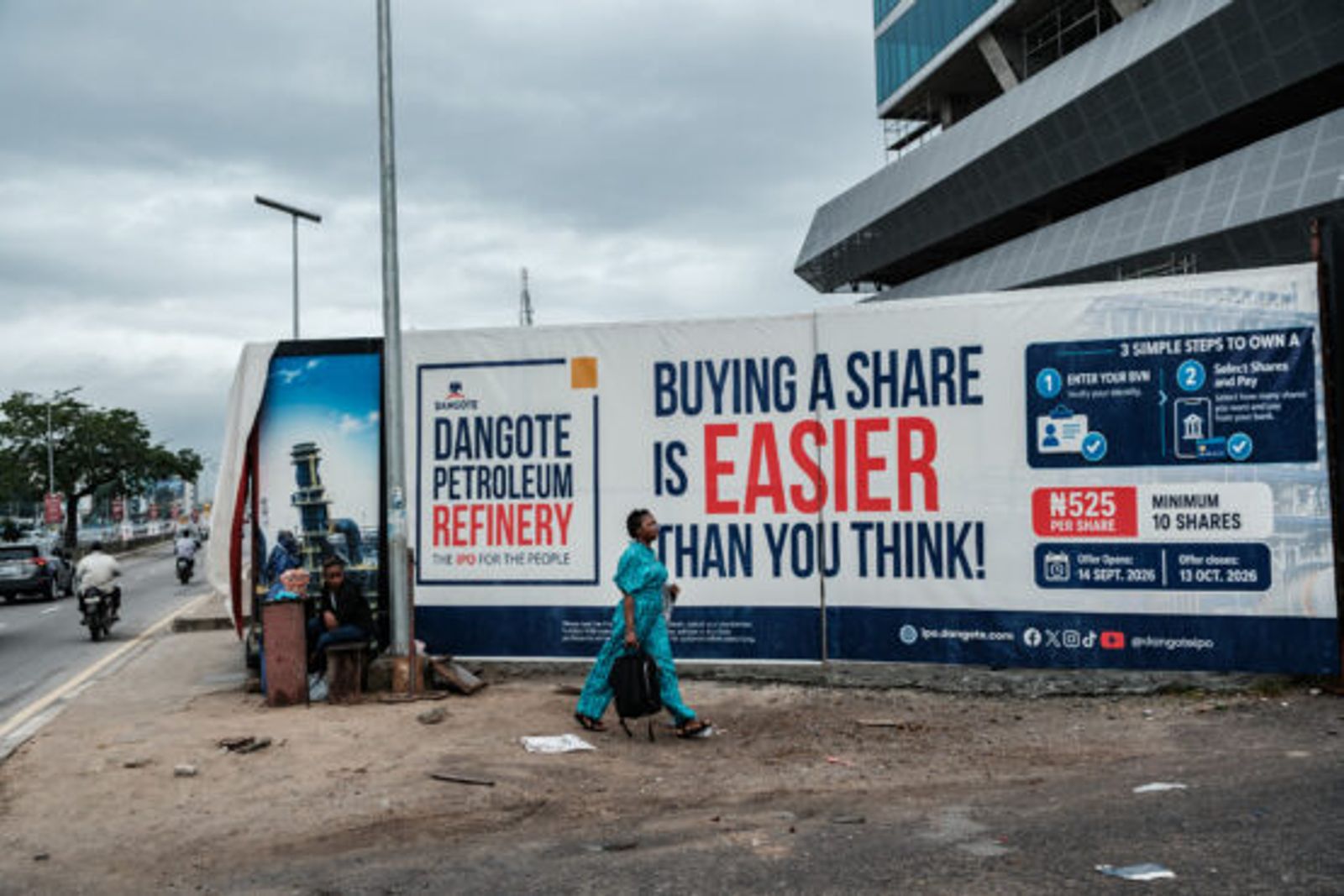
In Morocco, Mohamed Hassan Bensalah has agreed to acquire Groupe Maroc Soir, the publisher behind Le Matin and an associated printing operation, subject to regulatory approval. In parallel, major African companies are building long-term relationships with international media groups. Dangote Industries has entered a multi-year partnership with CNN spanning programme sponsorship, branded content, digital distribution and events. MTN has worked with CNN Create on stories about Africa’s digital future and sponsored CNN’s Global Perspectives: On Africa. Bloomberg, through its Africa Business Media Innovators programme, has spent more than a decade convening media owners, business leaders, policymakers and technology companies around the future of African business journalism.
These are very different moves. Put together, however, they point to a larger question: who controls the environments in which African business is explained?
The answer increasingly matters as much as who controls the advertising budget.
Media ownership is infrastructure
The proposed acquisition of Groupe Maroc Soir is the clearest form of narrative infrastructure because it is ownership.
The transaction, announced in October 2026, would see Bensalah acquire the group from Saudi businessman and publisher Othman Al Omeir. The deal is not yet final and remains subject to regulatory approval.
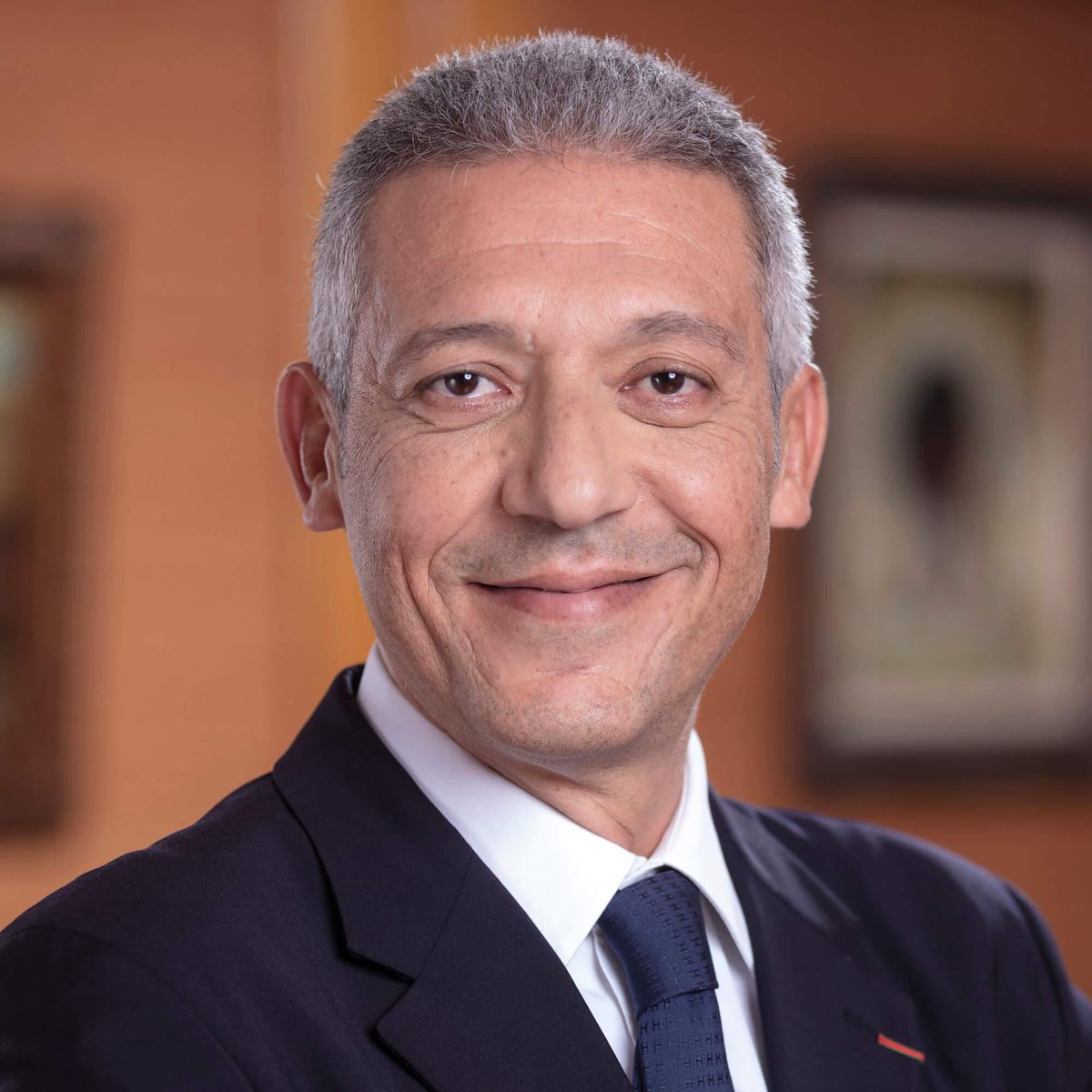
What makes the move relevant to Brief54 is the nature of the asset.
Groupe Maroc Soir includes Le Matin, one of Morocco’s best-known news brands, as well as printing infrastructure. A media group is more than a logo or website. It contains editorial brands, archives, teams, production capability, commercial relationships and distribution.
That gives ownership a different strategic weight from a normal communications campaign.
A company buying advertising rents attention for a period. A media owner participates in the long-term economics of producing and distributing attention.
This should not be confused with controlling editorial coverage. The announced Maroc Soir transaction explicitly references editorial independence and professional standards, and any serious analysis has to preserve that distinction. The strategic point is structural: media ownership places capital inside the infrastructure of information itself.
That becomes especially important as traditional publishers face declining advertising revenue, platform dependence and the costs of digital transformation.
Global media partnerships are becoming broader than sponsorship
The second model is partnership rather than ownership.
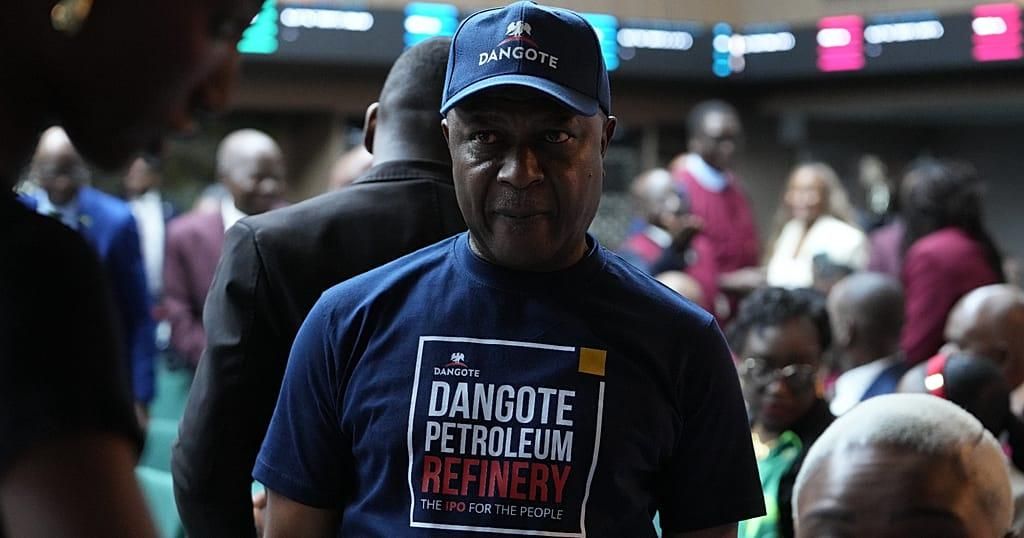
Dangote Industries’ 2026 collaboration with CNN is unusually broad. The multi-year campaign includes sponsorship of Africa Inc., a CNN International programme examining African companies competing globally; Africa First, a branded-content series produced by CNN Create; distribution across CNN television, digital and social channels; and sponsorship of CNN’s Global Perspectives events.
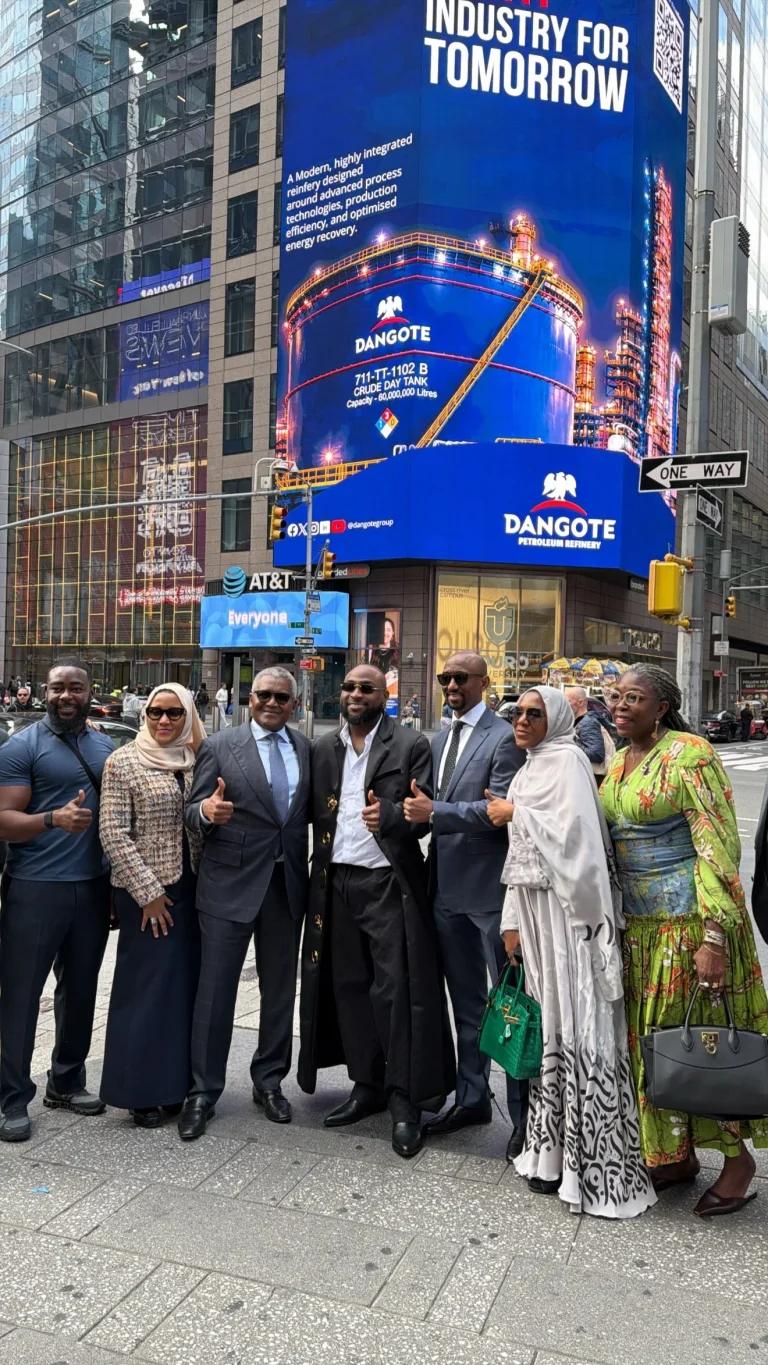
This is much more than buying spots around a television programme.
Dangote is placing its corporate narrative inside a connected system of editorial sponsorship, branded storytelling, global distribution and live convening. CNN retains the distinction between its editorial programming and commercial brand studio work, but the company benefits from association with recurring environments in which African business and industrialisation are being discussed.
MTN has pursued a related path. CNN Create produced a multimedia campaign for MTN following a small-business owner and university student using connectivity tools, while MTN has also appeared within CNN’s Leaders’ Lens content and sponsored Global Perspectives: On Africa. The 2025 event brought together more than 300 attendees and featured business, political, philanthropic and cultural figures, with MTN and Afreximbank among the sponsors.
Again, the value is wider than reach. These partnerships offer proximity to a narrative territory: Africa’s digital future, industrial development, investment, transformation and global competitiveness.
For large African companies trying to position themselves with investors, policymakers and international business audiences, that context can be strategically valuable.
Narrative infrastructure also includes the industry around journalism
Bloomberg’s Africa Business Media Innovators sits in a different category.
ABMI is part of the Bloomberg Media Initiative Africa and has convened media executives, business leaders, policymakers, investors, creators and technology companies since 2015. The 2026 gathering in Cape Town focused on AI, revenue models, digital media, ownership and the sustainability of African journalism.
Bloomberg says more than 1,000 leaders from 66 countries have participated across the initiative’s history.
This is not primarily a corporate-brand campaign. It is ecosystem infrastructure: training, convening, debate, professional networks and the business conditions around financial and business journalism.
Its inclusion matters because narrative ownership is not only about owning a newspaper or sponsoring a programme. It is also about who funds the skills, platforms, institutions, events and professional conversations that shape how markets are covered.
At the 2026 gathering, media leaders highlighted the need for stronger African ownership of intellectual property, sustainable revenue models and new approaches to AI. Those concerns underline the economic pressure behind the narrative question. If African media businesses cannot monetise their audiences or retain ownership of their content, the continent can produce more stories while capturing less of the value around them.
The economics of visibility are changing
For decades, the communications model for many large companies was relatively straightforward: build a corporate narrative, buy media, secure press coverage and use events to reinforce reputation.
That model still exists. The newer moves add something else.
Brands are financing documentaries. Companies are sponsoring recurring editorial franchises. Global media groups are building brand studios. Business leaders are acquiring publishing assets. Media organisations are convening investors and policymakers around industry questions. The boundaries between advertising, branded content, sponsorship, events, publishing and corporate reputation are becoming more connected.
This creates opportunities and tensions.
For companies, deeper media relationships can produce continuity. A one-off campaign disappears quickly. A multi-year platform can create recurring association with a theme, audience and conversation.
For media companies, these partnerships can generate revenue at a time when legacy advertising models are under pressure.
For audiences and journalists, however, the distinction between editorial and commercial influence becomes more important, not less. The credibility of the entire system depends on transparent labelling, clear editorial independence and an ability to distinguish sponsored environments from independent reporting.
Narrative infrastructure only has long-term value if audiences trust the infrastructure.
African companies are becoming more deliberate about how they are framed globally
There is another reason these moves matter.
African companies have long complained that international coverage of the continent is too narrow: crisis-heavy, externally framed or insufficiently attentive to industrial and commercial complexity.
The response is increasingly active.
Dangote’s partnership explicitly positions its industrial footprint within a broader story about African economic transformation. MTN’s CNN work places connectivity inside stories of digital opportunity. The Maroc Soir transaction is framed around accelerating a Moroccan media group’s digital development and international ambition.
These are not identical strategies, but they share an assumption: perception is an economic asset.
How a company, sector or market is understood can affect investor confidence, talent attraction, policy relationships, partnership opportunities and brand legitimacy.
That makes narrative a business issue.
The next phase
Brief54 should watch this territory carefully because the most interesting question is not whether African companies spend more on media.
It is whether they begin to build, finance or partner around media systems that outlast individual campaigns.
That could mean acquiring publishers. It could mean backing specialist media companies. It could mean financing documentary series, research platforms, business events or creator networks. It could mean building owned media operations or investing in the infrastructure around journalism itself.
The important distinction is between visibility and infrastructure.
Visibility buys attention today.
Infrastructure helps shape who gets to speak, which audiences are reached, what formats survive, which stories receive investment and how those stories travel over time.
As African companies become larger, more global and more deliberate about reputation, the battle for narrative will increasingly move upstream.
The most consequential communications decision may no longer be which campaign to run.
It may be which media environment to help build.
Sources :
Médias24 — Hassan Bensalah conclut un accord pour l’acquisition du groupe Maroc Soir
CNN International Commercial — CNN and Dangote partner for multiyear campaign
CNN International Commercial — Create
Bloomberg Media Initiative Africa — Africa Business Media Innovators
Capital FM — African media leaders call for new approaches to AI, revenue and ownership