Cabo Verde gives creative work a legal status of its own
A new artist statute links professional recognition to contracts, registration and social protection an important change for a creative economy built around freelance and project-based work.

A milestone for the cultural sector
On 8 May 2026, Cabo Verde published Law 73/X/2026, establishing a professional statute for creators and producers working in arts and culture. The law follows parliamentary approval and gives a formal legal framework to work that is often seasonal, freelance or organised around individual performances and projects.
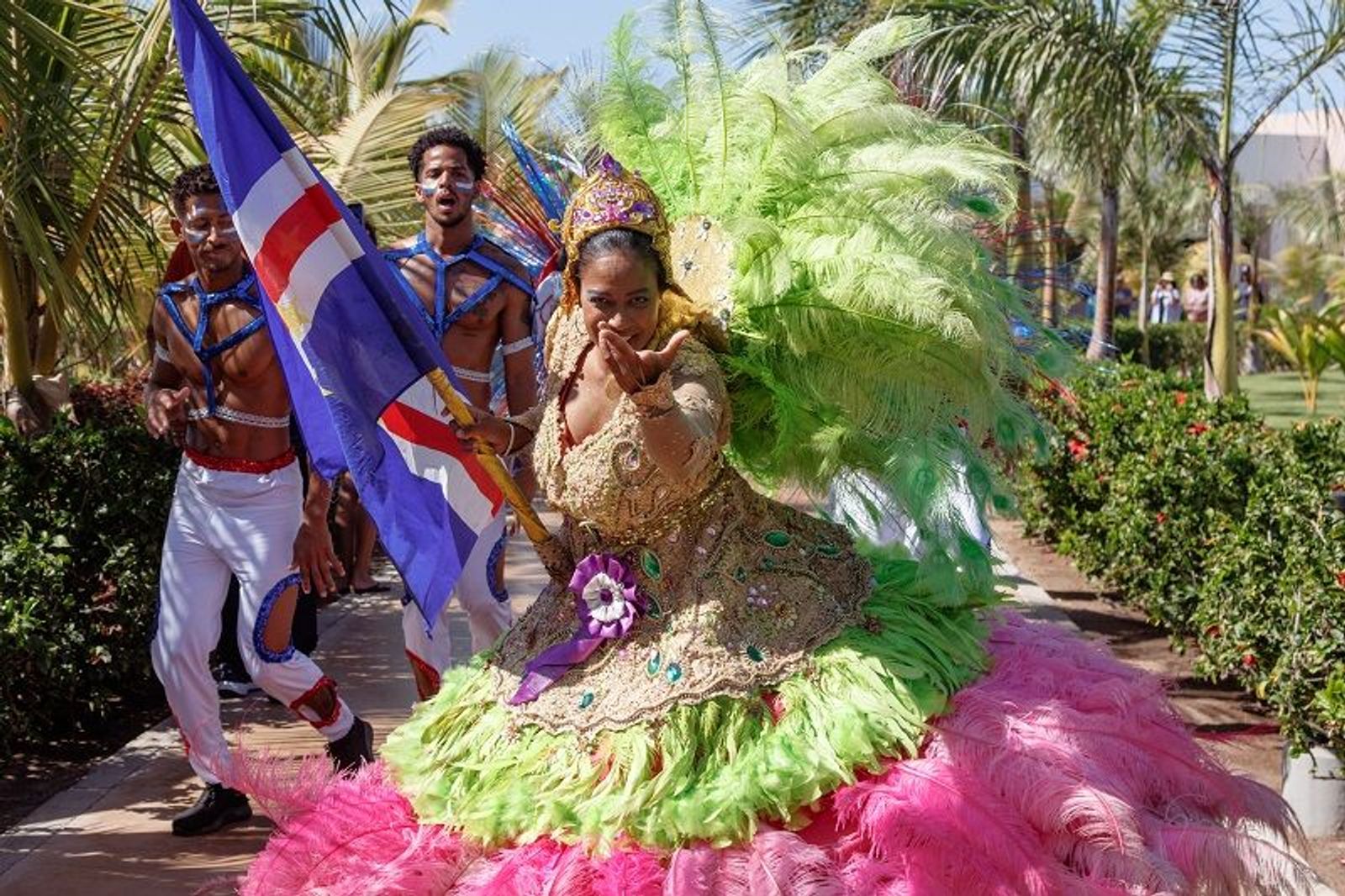
For a singer performing at festivals, a dancer hired for a production or a technician working on several short contracts, professional life rarely follows a standard monthly salary. The new framework recognises that reality and creates rules around professional status, registration and social protection. It is a significant institutional step for a country whose music and cultural identity travel far beyond its borders.
What changes for working artists
The statute provides for professional registration and an artist card, together with provisions covering social protection and fiscal treatment. In practical terms, it creates a more formal route for creative professionals to identify their status when they negotiate with event organisers, producers or public institutions.
Consider a musician hired for a concert series. Instead of treating the performance as an isolated informal arrangement, the professional framework can support a clearer contract, documented payment and social-contribution obligations. A production company engaging performers or technical staff must also pay attention to registration and contribution status. The result is a more transparent relationship between the person doing the creative work and the organisation paying for it.
The law also contemplates treatment for eligible equipment used in artistic activity. For a photographer, audiovisual producer or musician, equipment costs can be a significant barrier to professionalisation. The precise tax treatment depends on eligibility and implementing rules; the statute should not be confused with an automatic cash subsidy.
Formalisation can strengthen the businesses around culture
The benefits extend beyond individual artists. Festivals, studios, venues and production companies rely on people who move between projects. More consistent professional documentation can make budgeting, contracting and compliance easier, while also bringing obligations that informal operators may not have previously faced.
For cultural entrepreneurs, a clearer legal status can also support discussions with financial institutions and partners. Formal income records and documented contracts do not guarantee access to finance, but they make creative work easier to assess as an economic activity rather than an occasional informal payment.
An important first step
Cabo Verde’s government described the law as a historic change for the cultural sector. Its significance is the recognition that creative professionals need both rights and responsibilities adapted to the way they work. The practical effects will depend on registration, administrative access and how the rules are applied across music, performance, visual arts and audiovisual production.
For other African creative economies debating artist protection, Cabo Verde provides a concrete example of legislation designed around the realities of cultural work. The value of the statute lies in making professional creative activity more visible, contractable and protected.
Sources :