EbonyLife and Logical African Partners launch a $50m African film fund
The Afro Film Fund aims to finance around 35 films over eight years. Its first deals will show how structured capital can reach producers and what happens to distribution and rights.
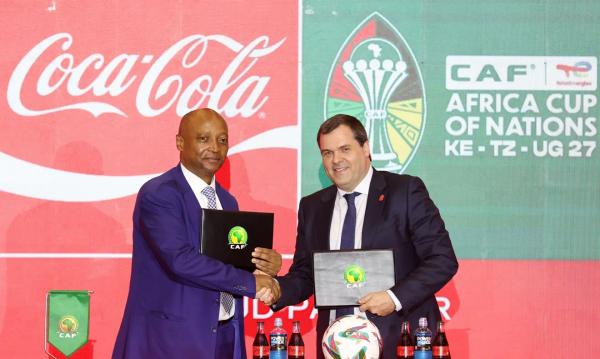
EbonyLife Group and Logical African Partners have announced the Afro Film Fund, a $50 million vehicle designed to finance African feature films. The agreement was signed in Paris on 10 November 2026, according to reporting by Variety, with first disbursements expected in late Q1 or early Q2 2027.
The partners are targeting approximately 35 films across eight years, or around four to nine productions annually. The fund is intended to support the development and production of commercially oriented African stories for audiences on the continent, across its diaspora and in international markets.
Bringing finance closer to production
EbonyLife, led by Mo Abudu, has built its business across film, television and other screen-content activities. Logical African Partners is the African investment vehicle associated with French film-finance group Logical Pictures. Their partnership brings a production company with a substantial creative pipeline together with a specialist financing business.
That is a different proposition from a one-off grant or a studio announcement. A dedicated fund can, in principle, assemble capital, assess multiple projects, spread investment risk and develop repeatable financing terms. The partners have not publicly detailed the investment structure, ticket sizes, funding commitments, recoupment waterfall or the allocation of intellectual-property rights. The $50 million should therefore be described as the announced fund size, not as money already disbursed.
The distribution question is still open
The timing is notable. A new six-country study from GIZ, Afreximbank/CANEX and Dalberg concludes that African film financing often concentrates on production while distribution, audience acquisition, localisation and marketing receive far less support. Production capital can increase the number and quality of films made; it does not, by itself, guarantee cinemas, licensing deals or paying viewers.
The Afro Film Fund is described primarily as a development and production-financing initiative. Its backers have discussed international competitiveness and wider audience reach, but have not disclosed a dedicated distribution-financing window. Those are separate parts of the value chain and should not be treated as interchangeable.
What producers will want to know
The first slate will establish who can apply, which countries and languages are eligible, how much capital the fund can provide per production, whether that funding comes as equity or another instrument, and what rights filmmakers retain. A simple equal division of the announced fund would amount to around $1.4 million per title before costs and reserves, but no such average investment has been announced.
The partnership is a noteworthy move toward structured private financing for African cinema. The commercial terms and the first funded productions, rather than the headline amount alone, will determine how it affects independent filmmakers and production businesses.
Sources :
Variety (via IMDb syndication), 12 Nov 2026
FilmBunch, 12 Nov 2026
IFC disclosure: Afro Film Fund development-finance feasibility engagement