When the Product Becomes the Creative Idea: African FMCG Innovation
Recent launches in Tanzania, Kenya and South Africa show how consumer brands are exploring differentiation through flavour, local relevance and packaging, bringing creativity into the product itself rather than relying exclusively on advertising.

In fast-moving consumer goods (FMCG), creativity is often associated with advertising. Brands compete through campaigns, influencers, slogans and the stories they tell around their products. Yet some of the most interesting creative decisions happen before a campaign is even developed, when companies decide what to put on shelves and how to make it stand out.
Tanzania Breweries has introduced Kili Lemon & Lime, extending an established beer brand into a new flavour proposition. In Kenya, Trufoods has added Passion Fruit Jam to its Zesta range, bringing a locally familiar fruit into a packaged food category. Meanwhile, Douwe Egberts has turned coffee jars into a platform for original South African fiction. Each launch takes a different approach to making an everyday product more distinctive, whether through what consumers taste, recognise or experience.
For African consumer brands, these examples raise an interesting question: when advertising alone is not enough to stand out, how much differentiation can be built directly into what people buy?
A new flavour for an established brand
In October 2026, Tanzania Breweries PLC, the local subsidiary of global brewing group AB InBev, announced Kili Lemon & Lime, a citrus-flavoured addition to its Kilimanjaro brand. Kilimanjaro Premium Lager is already an established name in Tanzania, and the company is drawing on that familiarity to introduce a different taste proposition without having to build an entirely new brand.
Existing recognition gives Tanzania Breweries a starting advantage. Consumers already know the Kilimanjaro name, while the company's distribution network provides an established route into shops, bars and other retail outlets. The new variant could appeal to regular Kili drinkers looking for variety or attract consumers interested in citrus flavours, although whether it reaches a different audience remains to be seen.
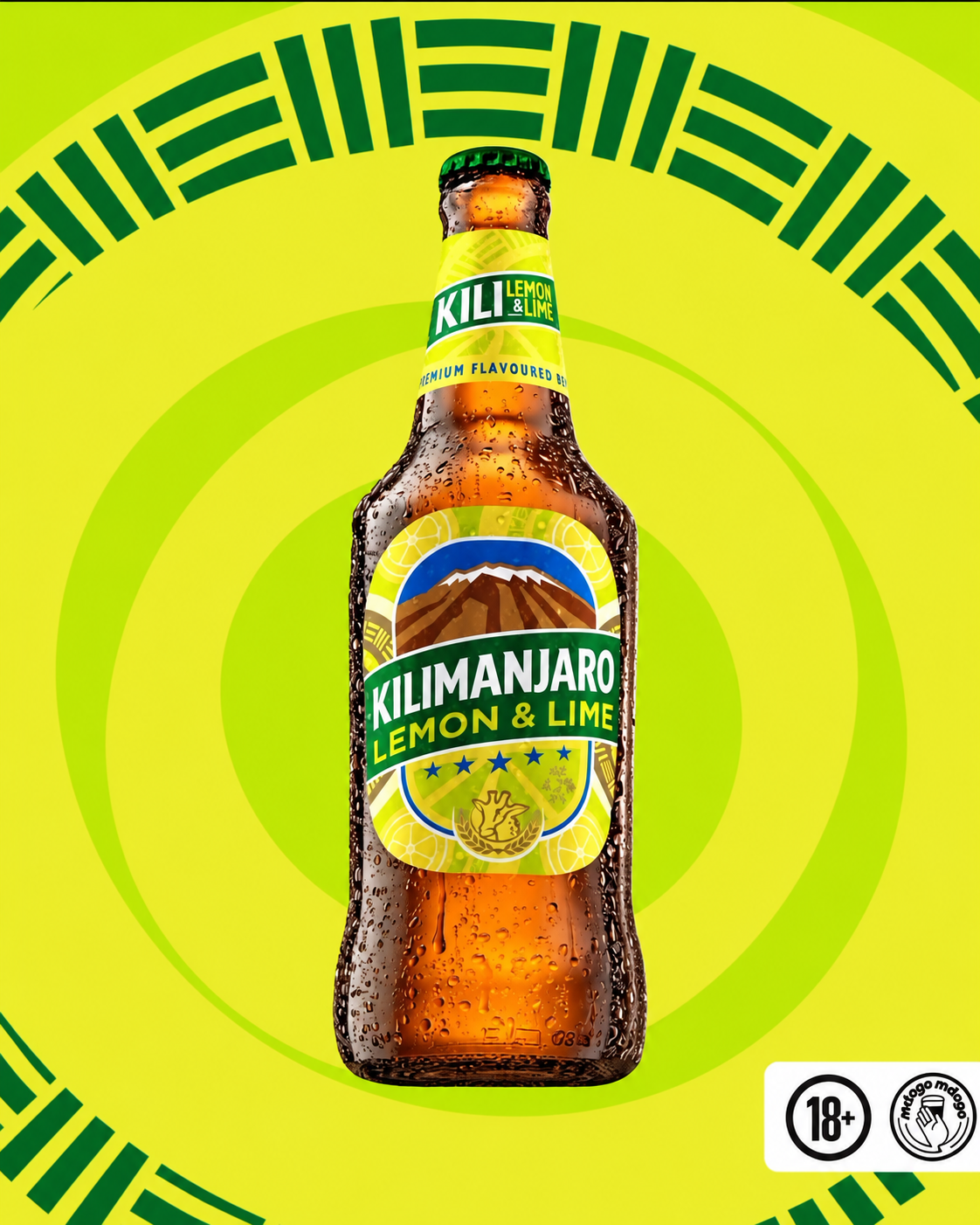
Serengeti Breweries introduced Serengeti Lemon in April 2024, so citrus-flavoured propositions are not entirely new to Tanzania's beer market. Kili Lemon & Lime enters a category where other brands have already explored similar tastes, making its positioning and retail execution particularly relevant.
Tanzania Breweries' initial announcement did not specify the product's alcohol content, pack sizes, retail pricing or precise classification. Those details will help establish where it sits within the company's portfolio and which alternatives consumers are likely to compare it with. Distribution will also play a role. An established retail network can help a new product reach consumers, but shelf space and availability do not necessarily translate into repeat purchases.
Kili Lemon & Lime illustrates how product development can give an established brand another reason to be considered. Whether that curiosity becomes sustained demand will depend on how consumers respond to the flavour, price and overall proposition once the initial launch attention has passed.
Bringing a familiar fruit into a new format
In Kenya, Trufoods is exploring differentiation through another everyday category. In September 2026, the food manufacturer introduced Zesta Passion Fruit Jam as part of its Exotic Jams range, which already includes Raspberry and Berry varieties. Sold in a 300g jar, the new product brings passion fruit's sweet and tangy flavour into the company's established portfolio of packaged spreads.
Passion fruit is familiar to Kenyan consumers through fresh consumption, juices and other preparations. By introducing it into its jam range, Trufoods is drawing on an ingredient consumers already recognise while offering another option within a familiar pantry category. The company can also build on Zesta's existing retail presence rather than introducing a completely new brand.
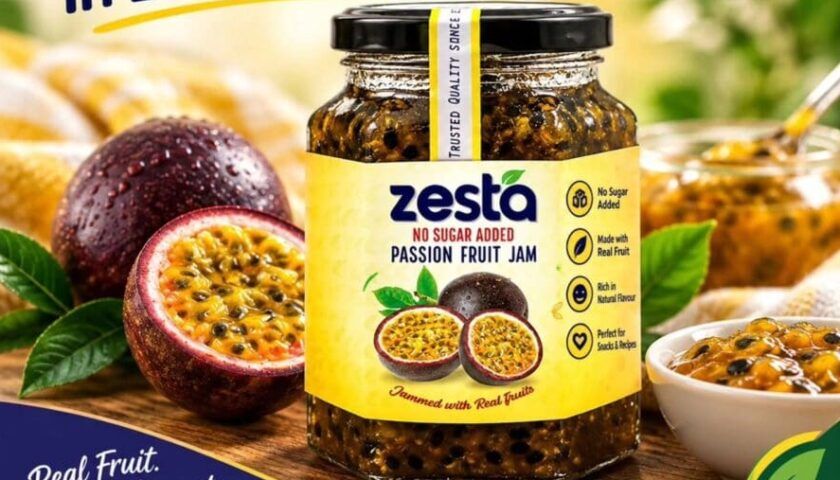
The launch connects to a wider opportunity for African food manufacturers: creating more value around ingredients and flavours that already have a place in local food cultures. Processing agricultural produce into packaged foods can support activities across manufacturing, branding, retail and distribution, potentially extending the commercial life of ingredients beyond their fresh form.
However, the benefits depend on how those products are sourced and manufactured. Trufoods has not publicly established whether the passion fruit used in this particular jam comes from Kenyan farmers, nor disclosed its contribution to local agricultural incomes. The launch therefore demonstrates a product development opportunity rather than a confirmed example of increased value reaching domestic producers.
Zesta Passion Fruit Jam also faces the familiar challenge of competing for space in consumers' shopping baskets. A recognisable flavour may encourage trial, but shoppers still have to consider price, taste, availability and how the product compares with the spreads they already purchase.
For Trufoods, the opportunity lies in using its existing brand and manufacturing capabilities to expand the choices available within an established category. The new flavour gives Zesta another proposition on the shelf, although its contribution to the business will ultimately depend on sustained consumer demand.
When packaging becomes part of the product
Douwe Egberts takes a different approach in South Africa. Its limited-edition Deco Jars, launched in October 2026, retain the brand's existing coffee while introducing original stories by four South African writers through specially designed packaging.
Zibu Sithole, Zama Mkhize, Jarred Thompson and Paige Nick contributed the stories, while illustrator Louise Hoffmann created the artwork for the four jar designs. Each jar features a QR code giving consumers access to its story in written and audio formats.
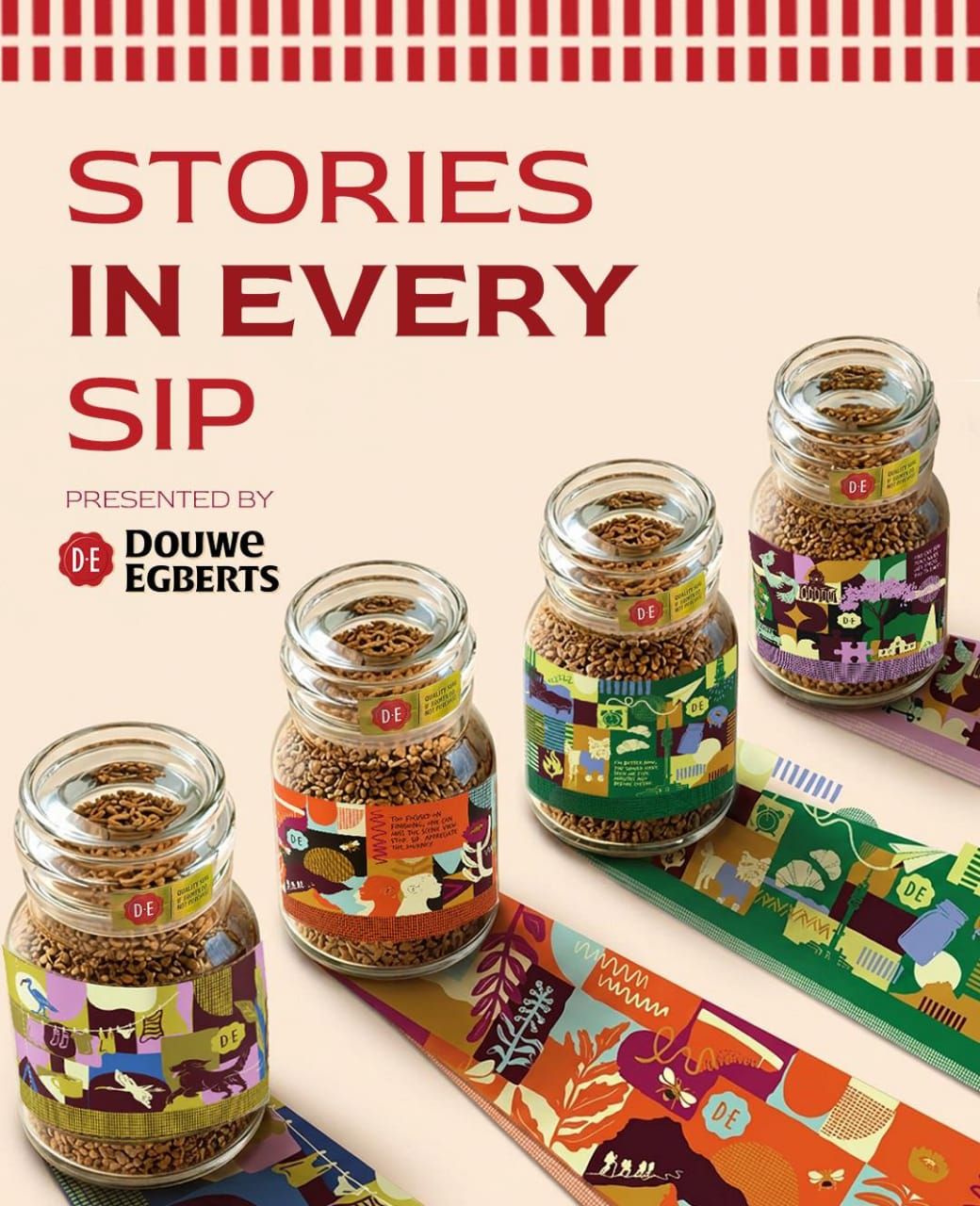
Brief54 has already explored the campaign as a creative work in its own right. What makes it interesting alongside Kili and Zesta is that Douwe Egberts has created a new experience without changing the coffee itself. Consumers are buying a familiar product, but its packaging now offers something beyond its usual function.
The format also builds on the potential for glass coffee jars to be reused after their contents have been consumed. The illustrated designs give the containers a collectible quality, while the QR codes extend the interaction beyond the physical product. A jar purchased in a supermarket becomes an entry point into South African literature and audio storytelling, introducing consumers to writers they may not otherwise encounter.
This creates opportunities for the creative professionals involved, while giving Douwe Egberts another way to distinguish its products on crowded supermarket shelves. The packaging may encourage shoppers to notice the jars, explore the stories or collect different designs, although these effects have not been demonstrated through publicly available sales or engagement figures.
The initiative also involves a different set of creative capabilities from those required to develop a new flavour. Writers, illustrators, designers and audio producers contribute directly to the consumer experience, extending the role of creativity beyond the advertising campaign.
For Douwe Egberts, the product remains familiar, but the reasons someone might choose it have expanded.
What happens when creativity enters product development?
These three launches show how differently creativity can operate within consumer goods. Kili Lemon & Lime introduces a new taste under an established brand, while Zesta Passion Fruit Jam uses a familiar ingredient to expand an existing food portfolio. Douwe Egberts leaves the product unchanged and creates additional value through packaging, storytelling and the experience surrounding consumption.
Each approach also comes with different commercial considerations. Kili must establish whether consumers want another citrus-flavoured option in Tanzania's beer market. Zesta needs to demonstrate that passion fruit can generate sustained demand within its jam range. Douwe Egberts has to determine whether its packaging-led experience influences consumer behaviour beyond attracting attention.
These launches also point towards a broader role for African creative businesses. Product innovation can involve consumer research, design, packaging, storytelling, sound production and brand strategy, creating opportunities for agencies and independent creatives to contribute earlier in the development process.
That involvement could change the relationship between brands and their creative partners. Rather than receiving a brief to promote a finished product, creative teams can help explore what consumers want, how products might reflect local preferences and what experiences could make them more distinctive.
Of course, an interesting product idea does not automatically become a successful business. A launch may generate publicity without securing repeat purchases, while an attractive design or locally relevant flavour may still struggle against competing products on price or availability. The commercial performance of Kili Lemon & Lime, Zesta Passion Fruit Jam and Douwe Egberts' Deco Jars has not yet been publicly established, and three launches cannot demonstrate a wider industry trend on their own.
They do, however, offer useful examples of how brands are experimenting with differentiation beyond conventional advertising. In each case, creativity is being applied to something consumers encounter directly, whether the taste of a drink, the flavour of a spread or the packaging of a coffee jar.
For African FMCG companies, this opens up opportunities to work more closely with designers, researchers, producers and other creative professionals when developing products. Local tastes, cultural references and everyday consumer habits can all inform what brands bring to market, provided those ideas are supported by sound manufacturing, pricing and distribution decisions.
The next creative opportunity for African FMCG brands may begin well before the advertising brief, with the decisions that make a product worth choosing in the first place.
Sources :
Tanzania Breweries PLC — LinkedIn
Drinkabl Media — Tanzania Breweries Launches Kili Lemon & Lime Variant
Food Business Middle East & Africa — Trufoods Ltd launches Zesta passion jam
Trufoods Limited — Official website
Bizcommunity — Douwe Egberts launches QR-code coffee jars with local short stories