Beyond the Games: how Dakar 2026 became a platform for brands, creators and culture
The first Olympic event held on African soil has brought more than 2,700 young athletes to Senegal. For marketers, it has also created a rare meeting point for brand campaigns, digital experiences, content creators and international media. From Orange’s new film to Alibaba’s AI-powered sabar experience, Dakar 2026 offers a view of how major events are increasingly marketed through culture and participation, not just stadium advertising.
Orange puts the network at the centre of its campaign
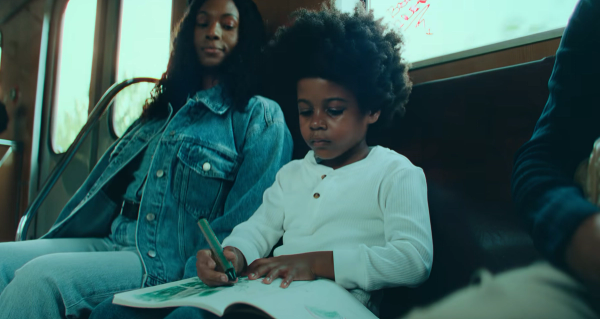
Orange, the Games’ exclusive telecommunications and connectivity services provider, has built its communication around a simple expression: “C’est carré.” Developed and written by creative agency VOICE Africa, the film connects the discipline of sport with the reliability of a network. Its copy moves between goals, running, shooting and diving before bringing the idea back to Orange Fibre, 4G, 5G and satellite internet during the competition.
The campaign is a good example of a sponsor using a functional product advantage as its creative territory. Instead of relying only on the Olympic emblem, Orange turns connectivity—the service spectators, organisers, media and athletes depend on—into a recognisable brand promise. VOICE Africa publicly credited Sidy Mohamed Kandji, Walid Meijerink, Ibrahima Ndongo, Talla Mboup, Papa Demba Ndiaye, Isaac Sambou, Kalmy Ndiaye and Awa Sarr on the film.
Alibaba brings Senegalese culture into an AI experience
At the official Festival Site on Dakar’s Corniche West, Alibaba’s Teranga Beat invites visitors to play a real sabar drum, then uses AI to turn their image into a personalised video in traditional Senegalese clothing. Their digital doubles join a collective drumming performance on a large screen. The experience makes a technology partnership tangible, social and easy to share.
Alibaba’s involvement extends well beyond the festival installation. Its Apsara Stack private cloud supports ticketing, e-visa processing and Games operations, with a system designed to manage more than one million tickets across seven venues and the Festival Site. A Qwen-powered assistant helps visitors navigate the event in English and French. The company has also announced that the cloud infrastructure will be transferred to Senegal after the Games, giving the partnership a public-sector technology dimension.
The community programme is equally tangible. Through Alibaba Philanthropy, the Panda Pack Project is supplying sports-equipment packages to Jeunesse en Jeux, the Dakar 2026 school-sport engagement programme. The stated ambition is to reach more than 350,000 children across 850 schools; those figures are a target, not a count of children already reached. Separately, Alibaba Cloud Tech Academy offers free cloud-computing training to Senegalese people under 35 and reports more than 10,000 registrations.
Together, the festival experience, operational technology, education initiatives and planned cloud transfer make this an unusually broad partnership. For Alibaba, the Games are an opportunity to demonstrate AI to consumers, work with national institutions, develop local technical skills and establish a longer-term presence in Senegal’s digital ecosystem. That market-development potential is an interpretation of the strategy, not evidence of a newly announced commercial market-entry deal.
Teranga Beat gives the technology a cultural language that visitors immediately recognise: the sabar is not a decorative backdrop, but the way people participate. The same partnership also reaches schools, developers and public institutions. It is a strong example of how a technology brand can build relevance through experience, social investment and infrastructure at once.
The rise of creator trips around African mega-events
Major events have become destinations for influencer marketing. Instead of buying only a sponsored post, brands and agencies bring creators into the experience and give them several days of stories, short videos, live reactions and encounters to share with audiences at home. The trip becomes the content format.
Sembe Agency illustrates this model. The Cameroon-linked agency has previously organised creator-led experiences around AFCON and worked with Taptap Send on campaigns connecting African communities and the diaspora. Its Mboa Tour 2024 brought together 26 creators for a Cameroon-focused travel and content programme. Around Dakar 2026, Sembe is bringing creators from Cameroon, with visibility for Taptap Send and Orange Cameroon among the brand stories associated with the trip. This is a separate influencer activation from the Orange film created by VOICE Africa.
The appeal for brands is clear. A creator can carry the atmosphere of Dakar to audiences in Douala, Yaoundé or the diaspora without those viewers travelling to Senegal. A sporting event becomes a platform for travel, lifestyle, fashion, humour and everyday culture, allowing brands to join conversations beyond the competition itself.
Allianz takes the Games into a neighbourhood basketball court
Allianz’s MoveNow initiative offers a different kind of activation. Launched on a basketball court in the Djily Mbaye neighbourhood of Yoff, Dakar, the programme brought together young people aged 12 to 16, including ten participants with disabilities, for coaching, games and a community event. A DJ, sporting equipment and an accessible format helped turn a global sponsorship into a local experience.
Developed with the International Olympic Committee and the Dakar 2026 organising committee, MoveNow is positioned around youth participation and access to sport. For a financial-services brand, the visibility comes through a community programme rather than a conventional product advertisement. It shows how sponsorship can be expressed through an activity that people can actually join.
The Games also create opportunities beyond official sponsorship
Not every business needs Olympic partner status to benefit from a city hosting a major event. Restaurants, fashion labels, tourism businesses, transport services, entertainment venues and creators can respond to a temporary concentration of visitors and media attention. Their opportunities are different from official sponsorship rights: they can market their own services and the wider city experience, while avoiding unauthorised use of protected Olympic marks or any suggestion of official affiliation.
The wider Dakar creative calendar demonstrates the point. Dakar Creative Pop Up, an independent platform for fashion, design, music and artisan businesses, reports more than 1,500 visitors and 5 million in receipts across its first two editions, with another edition planned for December. It is not presented as a Dakar 2026 sponsor or Games activation. Rather, it shows the kind of local commercial infrastructure—markets, designers, makers and cultural venues—that can turn heightened attention on Dakar into customer relationships beyond a two-week event.
Publicly documented evidence of a new consumer-brand launch specifically tied to the Games remains limited. The most visible cases so far are established brands activating through advertising, digital experiences and community programmes rather than a wave of new product launches.
From Senegalese television to international streaming
Media distribution is another part of the commercial picture. In Senegal, RTS1 and RTS2 are the official broadcasters. CANAL+ Sénégal has opened access to those two channels for holders of its decoders, including former subscribers who request reactivation, from 31 October to 13 November. It is an unusually practical way to turn a national event into a television-access initiative.
Across Africa, the International Olympic Committee’s distribution list includes MMS for a wide range of countries, including Cameroon, Côte d’Ivoire, Kenya, Nigeria, Tanzania and Uganda. This identifies a regional distribution partner, not necessarily the individual local channel in every market. The IOC’s Olympics.com and Olympic Channel also offer live coverage in French and English without geographic restrictions.
Outside Africa, France Télévisions is providing more than 150 hours of live coverage through france.tv sport, with the opening ceremony also shown on France 4. The combination of Senegalese public broadcasting, international rights distribution and direct digital streams allows the event to reach audiences through very different viewing habits.
What the activations reveal
The range of activity is what makes Dakar interesting for marketers. Orange turns its connectivity services into a creative campaign; Alibaba combines a memorable AI experience with school programmes and digital infrastructure; Allianz uses neighbourhood sport to make its partnership tangible; and creator trips, including the model illustrated by Sembe, take the event’s atmosphere to audiences beyond Senegal. Different investments serve different objectives, from awareness and engagement to community relationships and long-term market development.
For brands considering major events, the lesson is in the combination of formats. A television film can establish the message, creators can make it travel, on-site experiences can invite participation, and sustained programmes can give the investment relevance beyond the event itself.
Sources :
Orange / VOICE Africa film and creative credits
IOC / Alibaba Teranga Beat
Alibaba Group, 2 November 2026 (Panda Pack target, 10,000+ training registrations and cloud transfer)
IOC / Allianz MoveNow
Sembe project examples
Sembe’s earlier projects and talent roster
RTS / CANAL+ access
APS / IOC African broadcast distribution
France Télévisions coverage
Dakar Creative Pop Up