Why Vodafone × Al Ahly Is Bigger Than a Sponsorship Deal
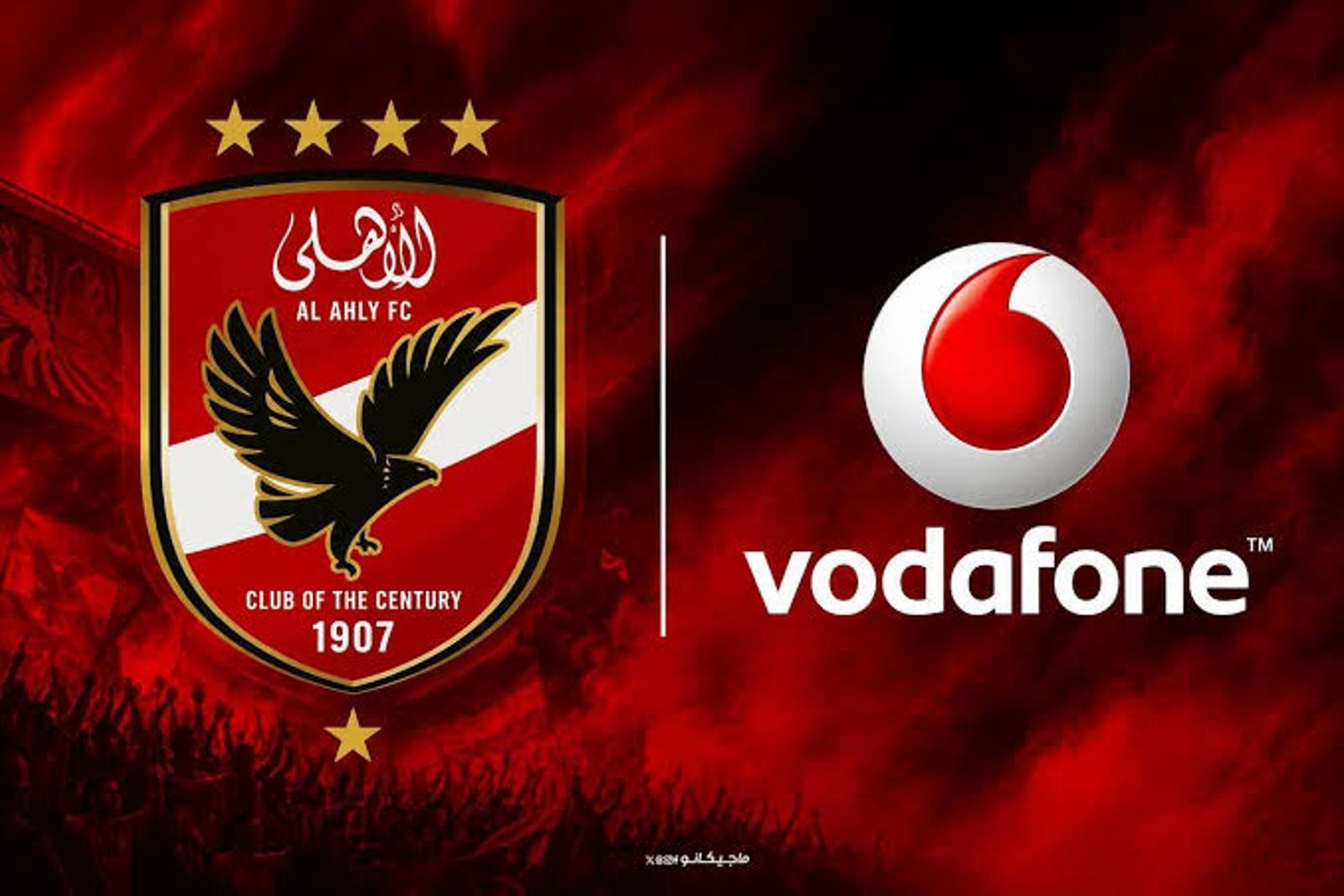
Vodafone Egypt will put its name on Al Ahly’s new stadium and help build the technology that supporters use inside it, extending the company’s relationship with the club into connectivity, digital services and matchday payments.
The arrangement involves two agreements. A four-year partnership makes Vodafone the club’s main sponsor and technology partner, while a separate deal with stadium developer Qalaa Hamra gives it naming rights and the venue’s exclusive technology role. The new ground will be known as Vodafone Stadium.
Together, the agreements give Vodafone several ways to become part of supporters’ routines, from the shirt they wear to the services they use when attending a match. For Al Ahly, they bring commercial backing and technical expertise to a stadium project the club has long wanted to deliver.
What Vodafone will bring to matchday
Vodafone’s responsibilities include planning the stadium’s technology infrastructure, integrating its systems and providing telecommunications and digital services. These will underpin the ambition to create a smart venue, although the experience supporters eventually encounter will depend on how those plans are delivered.
One confirmed element is Vodafone Cash. The mobile wallet will be accepted inside the stadium, with exclusivity within the category of wallets offered by telecom operators. This gives an existing Vodafone product a place in the venue’s everyday commercial activity.
For a supporter trying to make a payment or use their phone in a crowded ground, the usefulness of that investment will be straightforward to judge. Services need to work when thousands of other people are using them too. If they do, Vodafone has an opportunity to build familiarity and trust through repeated use; if they fail, its name will be attached to the frustration as well.
Why this move makes sense
Football gives Vodafone a setting in which several parts of its business can work together. Sponsorship creates recognition, the stadium name keeps the brand in public conversation, and the technology agreement provides opportunities for people to use its services.
That combination could make the relationship more commercially valuable over time. Someone may first encounter Vodafone through their attachment to Al Ahly, then use Vodafone Cash at the ground. The partnership creates that possibility, though it does not guarantee that supporters will become customers.
Al Ahly has a more immediate incentive. Club president Mahmoud El Khatib has said the naming-rights agreement will provide significant financial support for the stadium project. The technology partnership also gives the development a specialist responsible for connecting the systems needed to run the venue.
The arrangement illustrates how a club can build a sponsorship offer around both its audience and its operational needs. Vodafone gains a place to demonstrate its services, while Al Ahly gains support for an asset intended to serve the club for years.
Where sports partnerships could go next
For other African clubs and venue developers, the interesting question is which parts of the supporter experience a commercial partner could help improve. Connectivity and payments are natural areas for telecom companies, especially where they already offer services that people use outside the stadium.
The challenge is making those services fit comfortably into matchday. Supporters should be able to spend more time enjoying the occasion because the practical details work smoothly.
That is where Vodafone’s role becomes particularly consequential. Its name will identify the building, but the connection supporters make with the brand will also be shaped by what happens when they take out their phones, access a service or pay for something inside it.
Sources :