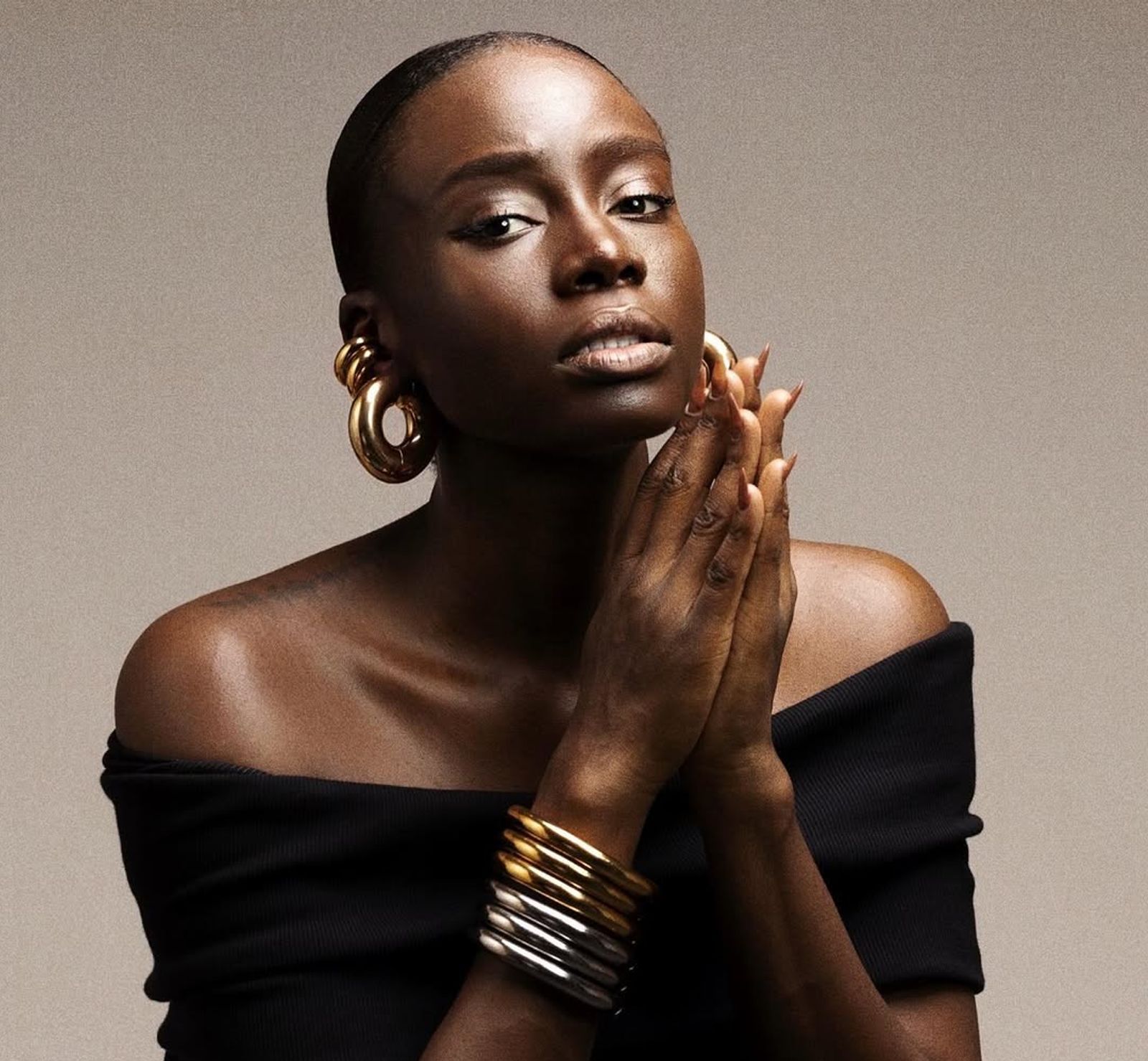
Building African Luxury from Dakar: Sarah Diouf
Sarah Diouf has spent nearly a decade building a fashion brand from Dakar with its eyes firmly on the world.

Since launching Tongoro in 2016, the Senegalese entrepreneur has developed a distinctive model: designing in Dakar, working with local tailors and ateliers, and using digital distribution to reach customers far beyond Senegal. Along the way, her clothes have appeared on Beyoncé, Naomi Campbell, Alicia Keys and other global figures.
The visibility is impressive, and the business behind it is even more interesting. Through Tongoro, Diouf is helping shape a model of African luxury that creates both creative and economic value at home.
From storytelling to fashion
Diouf entered fashion through media and storytelling. While studying marketing and communications in Paris, she launched Ghubar in 2009, a digital publication covering African and Arab creatives across fashion, art and culture. She later developed Ifren Media Group and launched NOIR, a magazine dedicated to Black fashion, beauty and culture. Through these projects, she developed an understanding of branding, storytelling and the audiences shaping contemporary African fashion.
That experience would eventually find a new expression in Dakar. After moving to the Senegalese capital in 2016, Diouf began having clothes made locally, and friends in Paris soon wanted the pieces too. Their interest revealed an opportunity to turn Dakar’s tailoring talent into a brand capable of reaching a wider audience. Tongoro grew from that idea.
Building from Dakar
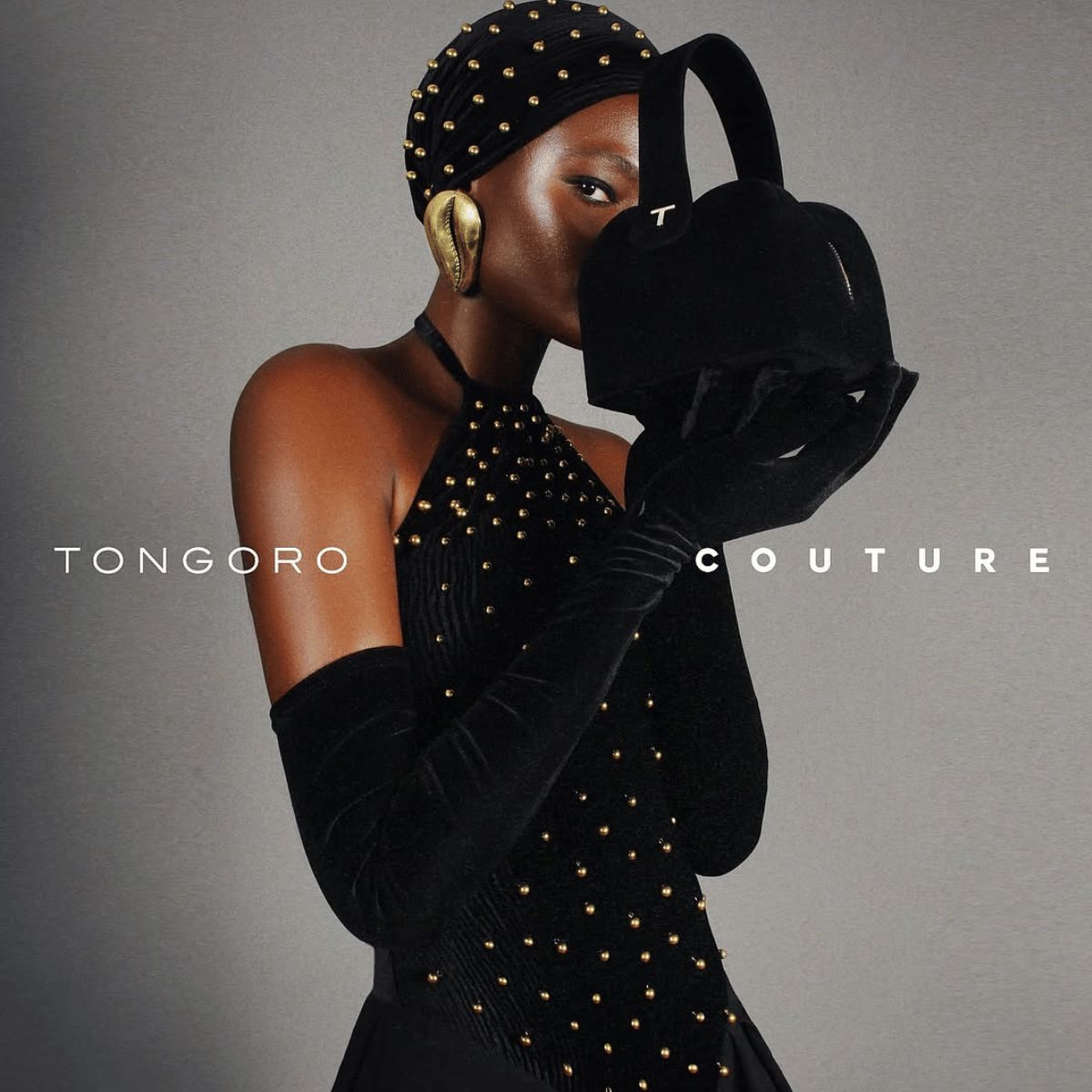
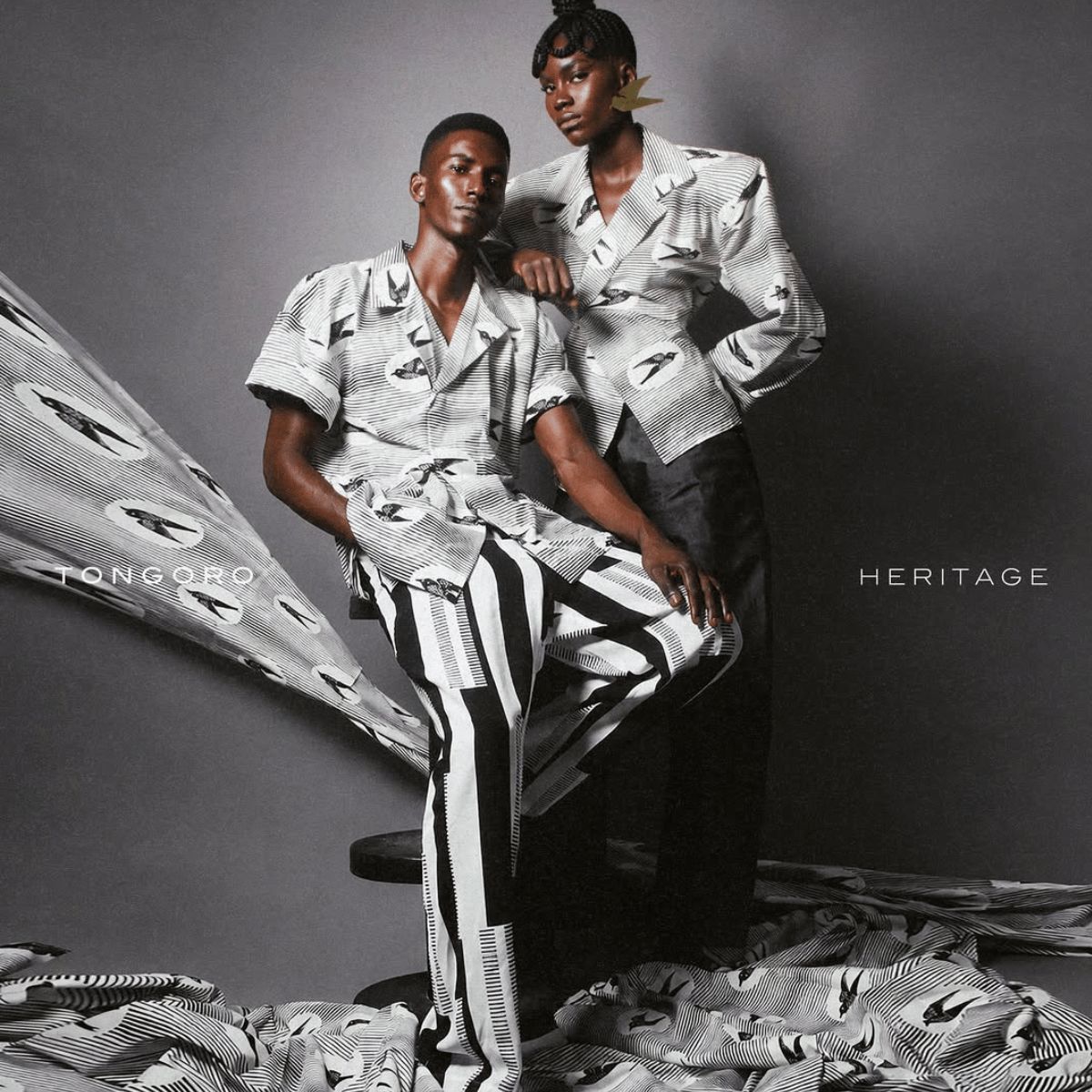
Local production sits at the centre of Tongoro’s business model. The brand designs and produces its collections in Dakar, working with Senegalese tailors and artisans. Tongoro describes itself as “100% Made in Africa”, with a broader ambition to create economic opportunities for artisanal workers across the region.
As Tongoro has grown, so has the need to structure that production. Diouf has focused on maintaining consistent quality and developing the skills needed to meet increasing demand, investing in training and local talent as the brand has expanded.
E-commerce has been another important part of that growth. By selling online, Tongoro can reach an international customer base directly from Senegal, giving locally produced pieces access to markets around the world. Over time, that combination of a recognisable creative identity, digital distribution and growing international reach began attracting attention well beyond the brand’s existing audience.
One of its biggest moments of visibility came in 2018, when Beyoncé wore several Tongoro pieces during a trip to Italy.
From Dakar to a global audience
The exposure introduced the Senegalese label to a much wider audience and reportedly almost tripled its sales. It also marked the beginning of an ongoing relationship between Diouf and Beyoncé. The following year, Diouf created a custom look for the singer’s Spirit music video, with Tongoro later appearing in Black Is King and around the Renaissance World Tour.
Other international figures, including Naomi Campbell and Alicia Keys, have since worn the brand, extending its presence across fashion and popular culture. Together, these appearances have helped Tongoro build the international recognition that continues to shape its growth today.
That recognition has also brought greater scale, making the systems behind the clothes increasingly important. For Tongoro, growing a global fashion business means operating within a wider production ecosystem that is still developing.
What Tongoro tells us about African creative business
This raises a broader question for African fashion: how much of the value generated by its creativity can ultimately be captured within the continent’s own economies?
Fashion depends on an entire chain of activity, from textiles and manufacturing to logistics and distribution. In Senegal, parts of that chain remain underdeveloped, with much of the fabric available on the local market still imported. The growth of brands like Tongoro therefore also reveals where opportunities exist to strengthen the wider industry around them.
Diouf’s journey is particularly relevant in this context. Creative entrepreneurs can influence more than the trajectory of their own companies. As their businesses expand, they create demand for specialised skills, higher production standards and stronger supporting industries, gradually contributing to the markets in which they operate.
Almost a decade after Tongoro’s launch, its trajectory reflects the potential of African fashion to generate value far beyond the finished garment. The next chapter will depend on how successfully brands, producers and other industry players can translate the growing global appetite for African creativity into stronger fashion ecosystems across the continent.
Sources :
GQ South Africa, “GQ chats with fashion designer Sarah Diouf”
Service95, “My Hometown: Sarah Diouf’s Dakar”
United Nations Africa Renewal, “Tongoro: Africa’s Fashion Renaissance”
Thomson Reuters Foundation via Global Citizen, “Beyoncé’s Designer Bets on ‘Made in Africa’ Fashion to Create Jobs”
Vogue Business, “Shaping a new African fashion narrative: Designers say it’s about time”