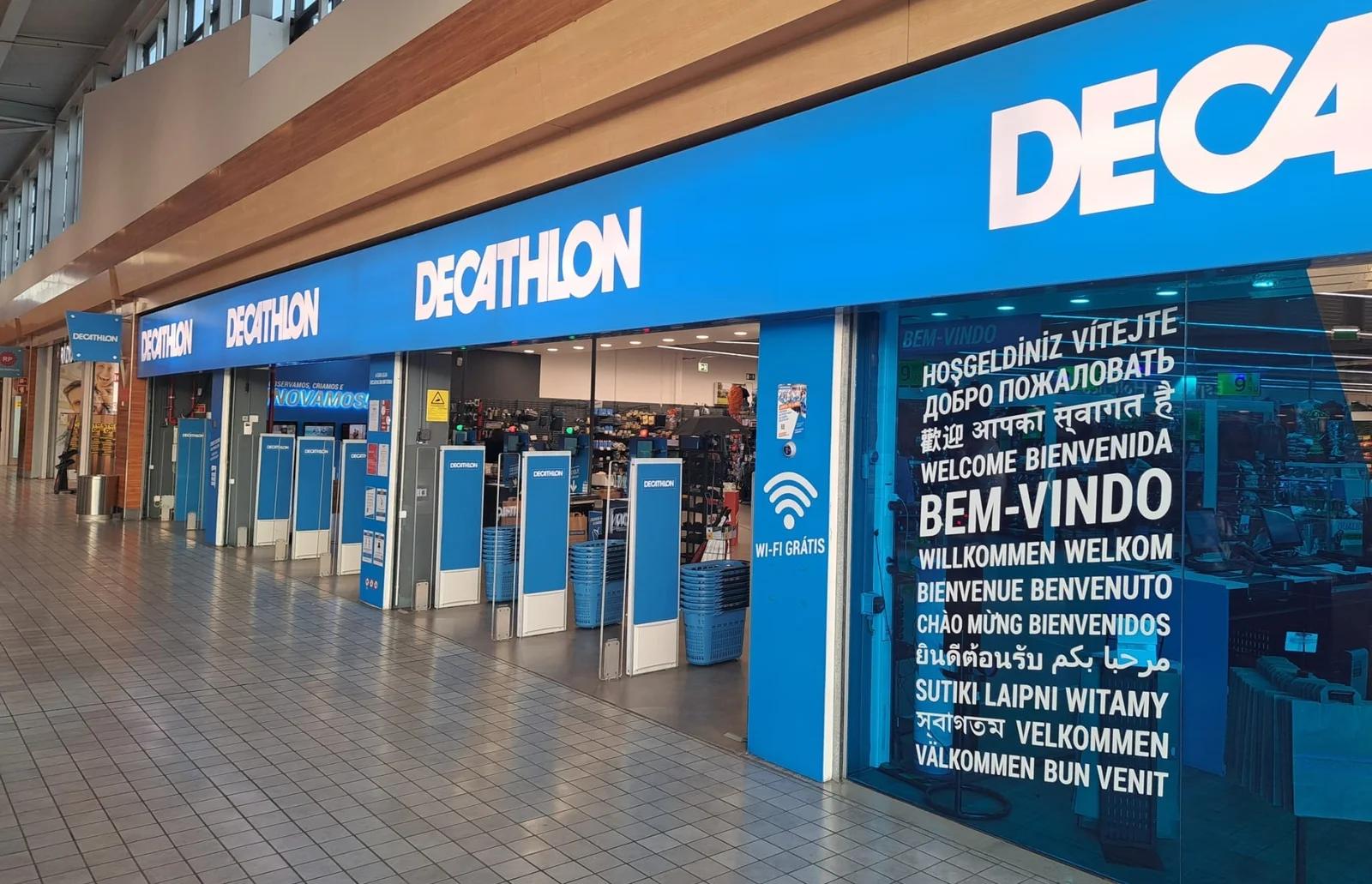
Why Decathlon Is Making Its Move Into Angola
Decathlon plans to open its first Angolan store at Belas Shopping in Talatona, bringing its range of sports equipment, clothing and accessories to Luanda. The French retailer will enter a market where international sports brands already have a presence, with a proposition built around serving many different sports in one place.

For shoppers, that could mean buying football boots, swimming goggles and cycling equipment in the same visit. This breadth is central to Decathlon’s business: it develops its own products for everyone from occasional participants to experienced athletes, aiming to make taking up a sport easier and more affordable.
The Angolan opening will test how that approach fits local shopping habits, sporting interests and budgets.
Building its African presence market by market
Decathlon has spent years establishing operations across Africa, entering markets including Morocco, South Africa, Kenya, Ghana, Côte d’Ivoire and Senegal. Angola adds another country to that expansion, with a first location in the capital.
The company’s experience elsewhere gives it a foundation, although each opening requires decisions about what to stock and how to reach customers. A broad international catalogue is useful only if the products on the shelves match the activities people practise and the prices they can pay.
In Luanda, Decathlon will join a retail landscape that has also attracted fashion brands. Calvin Klein and Tommy Hilfiger opened their first Angolan stores in 2025, while established sports names compete for consumers’ attention. Decathlon’s opportunity lies in introducing shoppers to a wider equipment offer alongside the clothing and footwear they already associate with sports retail.
Why this move makes sense
Belas Shopping gives Decathlon a starting point within an established shopping destination. Opened in 2007 as Angola’s first modern shopping centre, it sits in Talatona, a residential and business district of Luanda, and brings together local and international retailers.
Its existing sports offer includes Puma, Sport Zone and Deluxe Sport. That means Decathlon will be entering a location where shoppers can already browse and compare sports products, giving it an opportunity to demonstrate how its range differs.
There are signs that sports brands hold considerable appeal. Adidas and Nike took the top two positions in the Superbrands Angola general consumer ranking cited for this expansion, with Puma also in the top ten. Brand recognition, however, says little on its own about how much consumers spend on equipment or which activities they want to pursue.
Decathlon will need to build that understanding through its local operation. Its range gives it room to serve several customer needs, whether someone is buying basic kit for a child, starting a fitness routine or replacing equipment they use regularly. The commercial advantage comes from making those purchases convenient and affordable enough to encourage return visits.
Making accessibility work locally
Pricing will be particularly important to how shoppers judge the new store. Decathlon’s accessible positioning will need to hold up against local incomes and the alternatives consumers already use.
The assortment matters just as much. Stocking the right sizes, maintaining availability and responding to demand for particular sports will help determine whether the store becomes a regular destination.
A first Luanda location gives Decathlon a place to learn those habits before considering further expansion. For Angola’s sports retail market, its arrival will offer a clearer picture of demand for the equipment behind active lifestyles from a first swimming lesson to a weekly football match.
Sources :