Africa Doesn't Have a Creativity Problem. It Has a Visibility Problem.
Across music, film and fashion, African creativity is travelling further than ever. Yet the systems that document, distribute and connect that work remain uneven. If Africa wants to capture more value from its creativity, visibility has to become part of the infrastructure.

Africa's creative industries do not suffer from a shortage of ideas. Every week, new music, films, collections, campaigns and cultural movements emerge from markets across the continent. Some travel internationally. Many remain largely visible to the audiences immediately around them.
That creates a contradiction. African culture has rarely felt more influential globally, yet discovering the people and businesses producing it can still be surprisingly difficult.
The problem is bigger than recognition. Visibility affects who gets discovered, commissioned, distributed, covered and connected to new markets. In that sense, it is not simply attention. Visibility is infrastructure.
Music shows what happens when the routes open
African music offers perhaps the clearest example of what stronger visibility infrastructure can unlock.
The music was already being made. What changed was the number of routes through which it could travel. Streaming platforms, social media, playlists, diaspora audiences and international collaborations have made discovery less dependent on where an artist is based.
The numbers show how quickly that shift can translate into economic value. Spotify reported that streams of Nigerian artists increased by more than 5,000% between 2018 and 2023, while royalties generated by Nigerian artists more than doubled between 2023 and 2024. Across Sub-Saharan Africa, recorded music revenues reached $120 million in 2025, according to IFPI, growing 15.2% in a year.
The effect is visible beyond the continent's biggest music markets too. Kampala has built a scene where artists, events and creative communities reinforce one another. Nyege Nyege has created an international window into East African electronic and alternative music, while artists such as Joshua Baraka are increasingly reaching audiences beyond Uganda. Brief54's own exploration of the city found a creative ecosystem built for its local audience first, whose reach is now stretching outwards.
The lesson is not that African music suddenly became valuable when international audiences discovered it. Better systems for discovery and distribution made more of that existing value easier to find and monetise.
Film shows why being present matters
African cinema presents a different visibility question because the industry is already deeply established.
Nigeria has one of the world's largest film industries by volume, while South Africa, Senegal, Kenya, Morocco and other markets have their own production ecosystems, filmmakers and audiences. The question is less whether films are being made and more about which films enter the international spaces where visibility can lead to their next opportunity.
Cannes shows how that infrastructure works. Alongside the festival sits the Marché du Film, which brings together more than 15,000 film professionals from over 140 countries. Producers, distributors, financiers, sales agents and media gather in the same place. A festival therefore does more than screen work: it can connect a film to distribution, financing, press and future projects.
African cinema has a long history at Cannes, from Senegalese and Malian filmmakers such as Djibril Diop Mambéty and Souleymane Cissé to contemporary filmmakers appearing across its sections. The issue is not an absence of African talent from these spaces. It is how broad and consistent that visibility can become across the continent's many film industries.
Brief54 recently raised a similar question around Pitcher Festival and Cannes Lions from the advertising side: is African creativity moving from participation to influence? More African professionals are entering global juries and more work is gaining recognition, while unequal budgets, fragmented ecosystems and limited access continue to shape who reaches those spaces.
African platforms matter here too. FESPACO has spent decades creating a major meeting point for African cinema, while Durban FilmMart connects African projects with co-production, financing and international industry networks.
Together, these spaces demonstrate why talent alone cannot guarantee reach. Strong work still needs systems that carry it.
Fashion shows that influence is not the same as visibility
Fashion reveals another side of the problem.
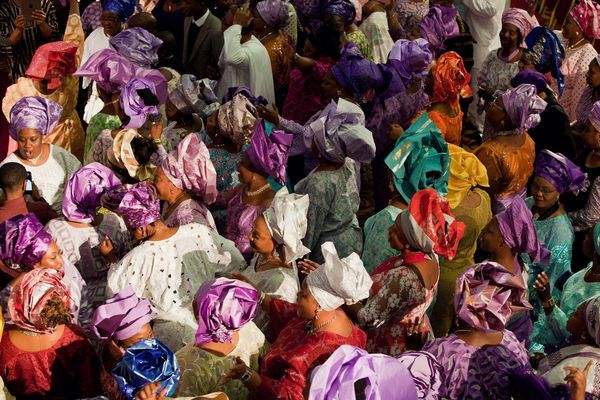
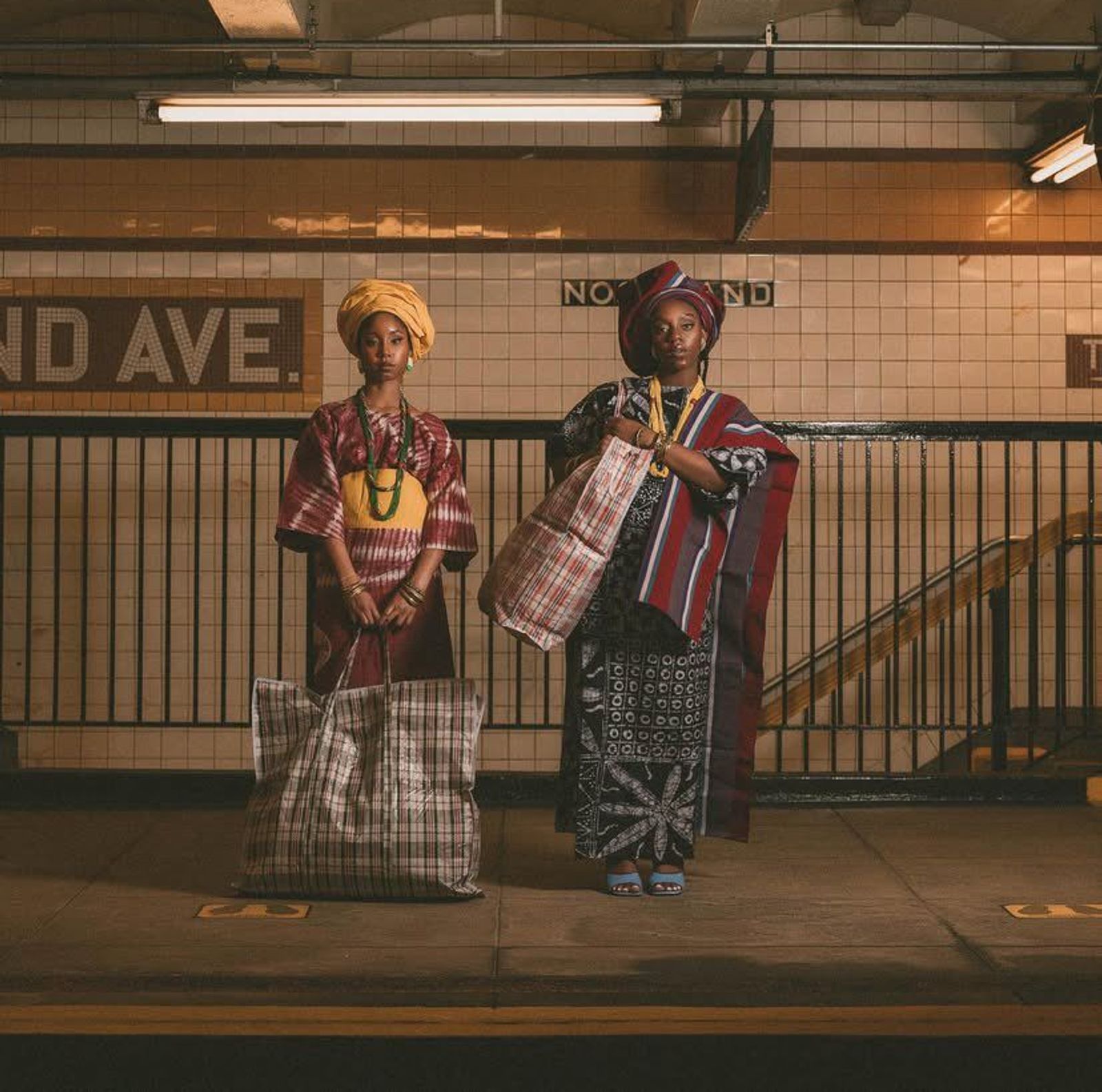
African fashion is increasingly visible internationally, from designers dressing global artists to collections reaching international runways and aesthetics travelling rapidly through social media. Yet seeing African influence is not necessarily the same as seeing the businesses behind it.
UNESCO's mapping of the African fashion sector describes an industry largely composed of micro, small and medium-sized businesses. It also identifies more than 30 fashion weeks taking place across Africa each year, creating spaces where designers can meet media, investors, buyers and other industry professionals.
Lagos Fashion Week demonstrates the role this infrastructure can play. Beyond showing collections, it brings designers into an ecosystem of photographers, stylists, manufacturers, modelling agencies, influencers and journalists.
That surrounding network matters because culture can travel faster than recognition. An aesthetic, textile or styling reference can circulate globally while the designer or creative ecosystem behind it remains relatively unknown.
The visibility question therefore becomes more precise: when African creativity travels, do recognition and economic opportunity travel with it?
Visibility is economic infrastructure
Music, film and fashion operate differently, but all three point towards the same missing layer between creation and opportunity.
Some of that infrastructure is commercial: distributors, platforms, festivals, buyers and professional networks. Another part is informational: media coverage, archives, campaign credits, searchable databases, translation and reliable industry reporting.
That second layer is easy to overlook. An excellent campaign produced in Abidjan is less useful to the wider African industry if nobody can find who made it. A designer outside the continent's best-covered fashion markets is harder for an international buyer to discover. Creative scenes can thrive locally while remaining almost invisible to potential collaborators elsewhere in Africa.
Creators are already finding ways around some of these traditional gates. Brief54's analysis of the Africa Creator Economy Report 2.0 found creators increasingly acting as distribution infrastructure themselves, building direct communities around their work rather than relying entirely on established media or platforms.
That shift offers a clue about what comes next.
Africa does not simply need more international attention. It needs stronger systems that make its creative work easier to discover, understand and connect with: creative media, documentation, distribution, translation, professional networks and platforms capable of carrying work from one market into another.
Because visibility creates economic possibilities. A filmmaker discovered by a distributor can enter another market. A designer seen by a buyer can reach new customers. An agency whose work is properly documented can compete beyond its home country.
Africa already has the work. The next task is building enough infrastructure around it so that Africa, and the rest of the world, can see it.
Sources :
IFPI, “Global Music Report 2026 — State of the Industry” State of the Industry
Reuters, “Spotify royalty payouts to Nigerian, South African artists boom in 2024” reuters.com
Marché du Film, “About” Festival de Cannes
FESPACO, « Le FESPACO » FESPACO
Durban FilmMart Institute, “DFM Pitch and Finance Forum” Durban FilmMart Institute
UNESCO, “The African Fashion Sector: Trends, Challenges & Opportunities for Growth” unesdoc.unesco.org